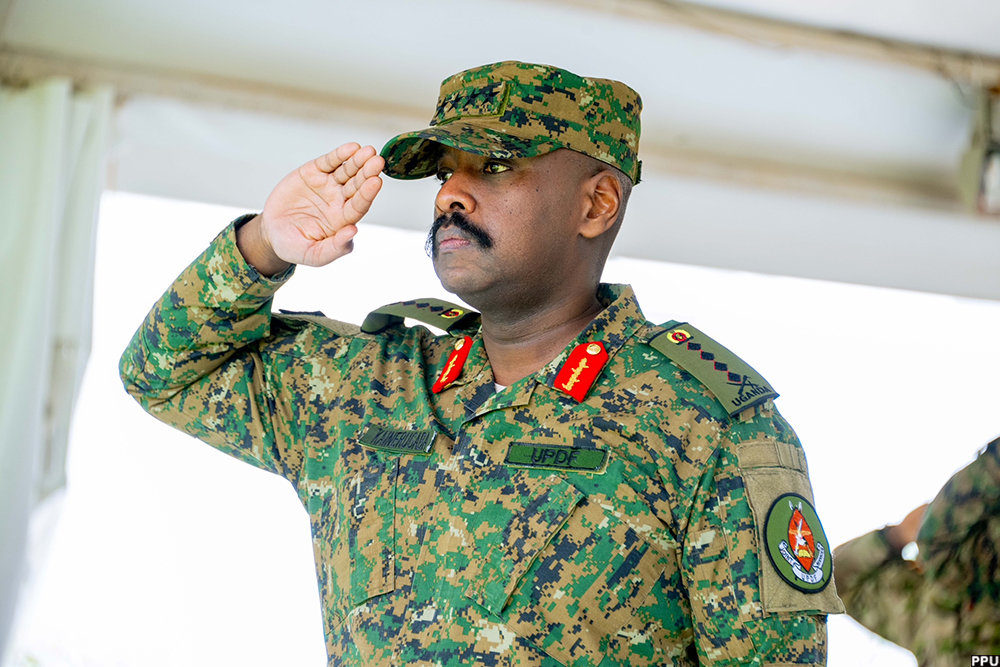
Gen. Muhoozi returns to X to ‘shake up the world’

Gen. Muhoozi returns to X to ‘shake up the world’
Share This

General Muhoozi Kainerugaba, the son of Uganda’s President Yoweri Museveni, has reactivated his X account barely a week after he quit the social media platform, citing renewed focus on his military duties.

Web Design and Hosting Ad

Let Us Build Your Online Success!

We are the experts in creating visually stunning and functional websites. With reliable hosting and exceptional customer support, we bring your vision to life. Join hundreds of happy clients who trust us!

Get Started Now

📞 Call/WhatsApp: +256 207 800 192

“I’m back!” Gen Kainerugaba posted on his verified account @mkainerugaba that has quickly amassed hundreds of followers.

He came back in his characteristic style with a series of controversial posts, threatening to “shake up this world!”.

The 50-year-old army general has become increasingly involved in the political arena, in breach of military protocol, reigniting debates about his ambitions to succeed his father, who has been in power since 1986.

Critics have taken a swipe at the general over the statements he has made on social media, which touched on subjects considered taboo for a serving soldier.

He recently sparked anger with a tweet in which he threatened to behead the country’s leading opposition figure, Bobi Wine.

Muhoozi Kainerugaba – Uganda’s ambitious tweeting general
Announcing his return on the micro-blogging platform on Thursday, Gen Kainerugaba ordered Uganda’s security agencies to arrest on the spot any opposition figure found wearing anything that resembles the country’s military uniform.

“And those who do not respect this order…have their own problems,” added the general, who heads Uganda’s land forces.

He also threatened to deport an unnamed US diplomat, citing his reported failure to “salute” the general.

“My only problem is the US Defense Attachè. If I find him anywhere…and he doesn’t stand up and salute me… I will arrest him on the spot!!

The general also wondered what the BBC “said about me”, referring to the corporation’s reporting of his announcement to quit X last week.

This is the second time Gen Kainerugaba has quit and then returned to the social media platform in three years.

He first left in 2022 but returned days later and continued his social media outburst, which have previously sparked diplomatic tensions.

In October that year, he made headlines after he posted a series of tweets threatening to invade neighbouring Kenya, a comment that forced his father to step in and apologise.

Gen Kainerugaba’s recent post threatening to “cut off” the head of Bobi Wine, whose real name is Robert Kyagulanyi, drew widespread condemnation in the country.

Although the general apologised about the post which he described as a joke, Bobi Wine said he could not take such threats lightly.

The Ugandan government downplayed the post, with a spokesperson describing Gen Kainerugaba’s social media statements as “casual” remarks that should not be interpreted as reflecting official policy.

Gen Kainerugaba is widely believed to be the heir apparent to his father, who has governed Uganda since 1986, although Museveni has denied that he is grooming him for the presidency.

His X account currently has more than 1,000 followers. The old account had amassed over a million followers.

In his return message, he urged his supporters to follow him back.

“I want all my people back. Bring them all back!”

Share This
Daily Telegraph

Daily Telegraph


Got a story or an opinion or feedback to share? Email us on: editorial@telegraph.co.ug


Join our community


Museveni’s 7th term bid raises fears of violence in Uganda

Museveni’s 7th term bid raises fears of violence in Uganda
Share This

Summary:

  • Uganda faces growing concerns of violence ahead of its 2026 elections as President Yoweri Museveni seeks a seventh term after 40 years in power. Rights groups warn of potential “mass atrocities,” citing crackdowns on opposition figures like Bobi Wine and rising political tension fueled by Museveni’s son, Muhoozi Kainerugaba. The opposition accuses the government of using violence to suppress dissent, while the ruling party denies the claims. International observers urge vigilance as fears of unrest escalate.

Web Design and Hosting Ad

Let Us Build Your Online Success!

We are the experts in creating visually stunning and functional websites. With reliable hosting and exceptional customer support, we bring your vision to life. Join hundreds of happy clients who trust us!

Get Started Now

📞 Call/WhatsApp: +256 207 800 192

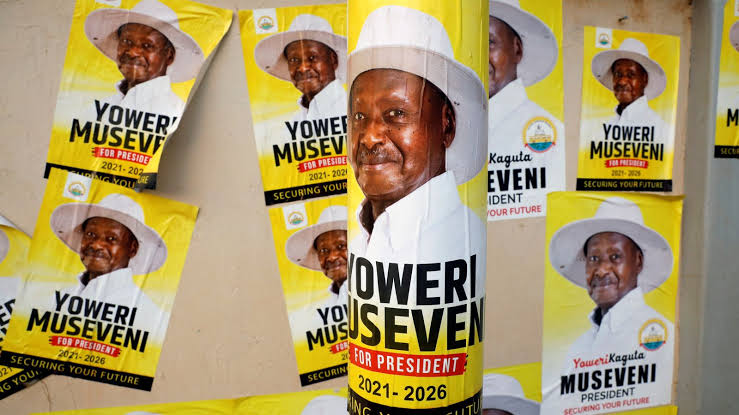
Uganda is bracing for what could be one of its most contentious elections yet, as President Yoweri Museveni seeks a seventh term in office. Rights groups and international observers have expressed concerns over rising political violence, suppression of opposition voices, and inflammatory rhetoric from senior government figures, all of which could lead to “mass atrocities.”

Museveni, 80, who has ruled Uganda since 1986, launched a voter registration drive last week in preparation for the January 12, 2026, polls. However, the opposition fears the election will be marred by violence and intimidation, a continuation of the trends observed in the 2021 elections. During that vote, hundreds of opposition supporters were reportedly detained, disappeared, or killed, particularly those aligned with musician-turned-politician Bobi Wine, whose real name is Robert Kyagulanyi.

Opposition Under Siege

Bobi Wine, who has faced multiple arrests and survived alleged assassination attempts, has expressed little hope for a fair election in 2026. “As the opposition, we’ve experienced the most horrific treatment from the government and know they can do worse, including killing me. We don’t expect these elections to be any better,” Wine told AFP.

Wine accused Museveni of using violence to maintain power, stating that the president’s government lacks legitimacy and is widely disliked by Ugandans. Despite the threats, Wine vowed to continue the struggle for a democratic Uganda.

The atmosphere has been further inflamed by comments from Museveni’s son and heir apparent, Muhoozi Kainerugaba. In a recent post on X (formerly Twitter), Kainerugaba threatened Wine directly, stating, “If Mzee [Museveni] was not there, I would cut off his head today.” Wine dismissed the threat as rhetoric but noted it reflected the regime’s broader capacity for violence.

A Pattern of Crackdowns

Other opposition figures have also faced severe repercussions. Kizza Besigye, a former presidential candidate, was allegedly kidnapped in Kenya in November and forcibly returned to Uganda, where he now faces treason charges that carry the death penalty. In another incident, 36 members of the Forum for Democratic Change (FDC), an opposition party, were abducted while attending a seminar in Kenya and are now facing terrorism charges in Uganda.

George Kanyeihamba, a former supreme court judge, has described violence as a “part and parcel” of elections under Museveni. He believes only a “miracle” can ensure a peaceful election in 2026.

Growing Tensions and International Concern

The US-based Holocaust Memorial Museum has warned of potential “mass atrocities” around the election. In a recent report, the organization highlighted the growing uncertainty about Uganda’s political future after Museveni’s eventual departure and disputes over corruption, inadequate public services, and mismanagement of natural resources as key drivers of unrest.

Ashleigh Landau, the report’s author, noted that the government’s harsh response to protests is a significant factor in escalating violence. “If protests grow larger, the government may perceive Bobi Wine as a greater threat and respond with even more severe crackdowns,” she said.

Ruling Party Denial

Emmanuel Dombo, spokesperson for the ruling National Resistance Movement (NRM), has denied all allegations of violence, stating that the government and the NRM have consistently promoted peaceful elections. “Our opponents are the ones promoting messages of violence,” Dombo claimed.

Despite these assurances, the opposition and human rights groups remain skeptical, pointing to past incidents of state-sponsored violence and repression.

Share This
Daily Telegraph

Daily Telegraph


Got a story or an opinion or feedback to share? Email us on: editorial@telegraph.co.ug


Join our community


Fallout And Exposure: Mbarara District Woman MP Rwebyambu’s Tipsy Aide Allegedly Unmasks Camp’s Political Secrets

Fallout And Exposure: Mbarara District Woman MP Rwebyambu’s Tipsy Aide Allegedly Unmasks Camp’s Political  Secrets
Share This

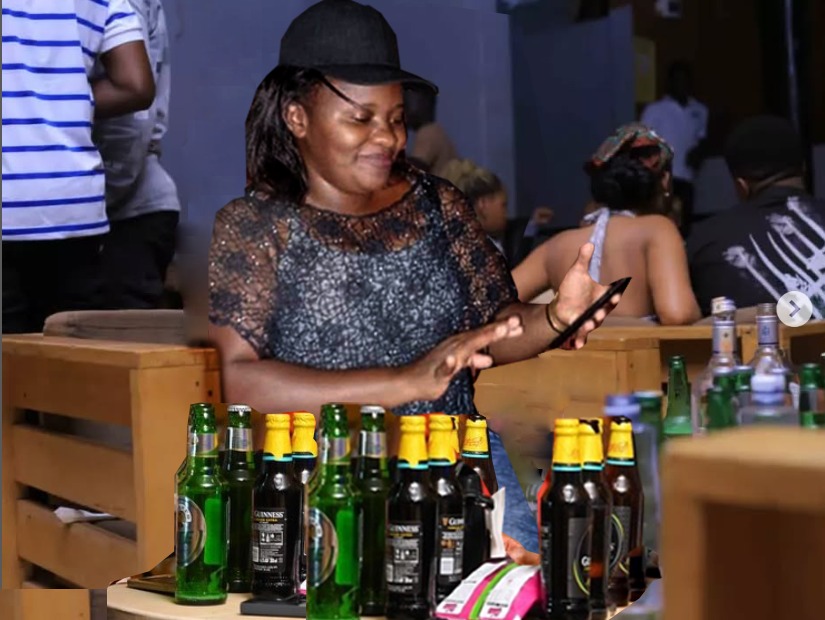
Mbarara District Woman MP Margaret Ayebare Rwebyambu’s camp is reportedly in turmoil after allegations emerged that her political aide made remarks that could undermine her chances in the forthcoming parliamentary elections.

The outspoken aide, who has reportedly been frequenting various bars during the festive season in Mbarara District, is alleged to have boasted during bar talks that her boss is highly connected in government and has close ties with several security agencies to be used against those who do not support her in 2026.

Web Design and Hosting Ad

Let Us Build Your Online Success!

We are the experts in creating visually stunning and functional websites. With reliable hosting and exceptional customer support, we bring your vision to life. Join hundreds of happy clients who trust us!

Get Started Now

📞 Call/WhatsApp: +256 207 800 192

“Plans to engage police and deploy soldiers from a barracks in western Uganda are underway. Those who think they can side with Rwebyambu’s opponents to undermine our efforts are in for trouble. Police cells and prisons will be filled with residents intending to disorganize us,” the aide was allegedly overheard saying to her fellow bar patrons and citizens.

While some residents have reportedly been alarmed by these alleged threats, others have dismissed them as baseless rhetoric and called on the aide to refrain from making such statements.

The aide’s alleged remarks have reportedly caused a stir in political circles and among the public, potentially affecting the MP’s activities and her routine visits to the district.This development poses a significant challenge for the MP, as her aide, once known for advocating on her behalf, is now facing criticism for what are being described as careless and potentially damaging comments.

One concerned voter reportedly quoted the biblical verse James 3:5-12, suggesting that the aide’s alleged statements have exposed Rwebyambu and put her at risk of losing the support she enjoys in the area.In addition to these allegations, the aide is also accused of spreading rumors, claiming that Rwebyambu has approached her former rival, Betty Komujuni, with promises of financial incentives and favors.

Allegedly, the MP has offered Komujuni a sum of UGX 200 million in exchange for her supporters. The aide is further reported to have claimed that Rwebyambu promised Komujuni a permanent position in Operation Wealth Creation (OWC) if she convinces her supporters to join Rwebyambu’s camp.

While it remains unclear whether Rwebyambu holds any authority to secure positions within OWC, these allegations have reportedly fueled public skepticism and cast doubt on the MP’s credibility.These reports have sparked a broader conversation among the people of Kashari regarding Rwebyambu’s leadership, potentially tarnishing her image among her supporters.

Public dissatisfaction appears to be growing, with some speculating that if Rwebyambu does not address these concerns and distance herself from her aide, her reputation as a politician could be severely damaged.

Additionally, Rwebyambu’s camp has reportedly been accused of using divisive tactics to counter the rising support of her political rival, Loydah Muhimbura, who also serves as the Rubaya Sub-County Councillor.Political analysts suggest that Rwebyambu may be resorting to tribal and religious affiliations to influence the electorate. It is alleged that the MP has lamented her dwindling support, reportedly blaming “outsiders” for her political struggles.

These alleged statements have sparked backlash among voters, who view such rhetoric as contrary to efforts aimed at fostering unity—a value strongly upheld by Uganda’s leadership.

As these allegations continue to circulate, Rwebyambu is under pressure to address the controversies surrounding her camp and take decisive steps to restore public confidence. Failing to act promptly could reportedly harm her prospects for re-election in 2026.

Share This
Daily Telegraph

Daily Telegraph


Got a story or an opinion or feedback to share? Email us on: editorial@telegraph.co.ug


Join our community


Bunyoro Kitara: Court-Recognized Prime Minister Still Facing Leadership Standoff

Bunyoro Kitara: Court-Recognized Prime Minister Still Facing Leadership Standoff
Share This

Summary:

  • Bunyoro Kitara Kingdom’s Prime Minister reaffirmed his court-backed legitimacy amid claims of impersonation by the former officeholder, who refuses to vacate the office. He criticized delays by the police in enforcing the court order and highlighted challenges in operating outside the official office, including unpaid staff and financial mismanagement.

Web Design and Hosting Ad

Let Us Build Your Online Success!

We are the experts in creating visually stunning and functional websites. With reliable hosting and exceptional customer support, we bring your vision to life. Join hundreds of happy clients who trust us!

Get Started Now

📞 Call/WhatsApp: +256 207 800 192

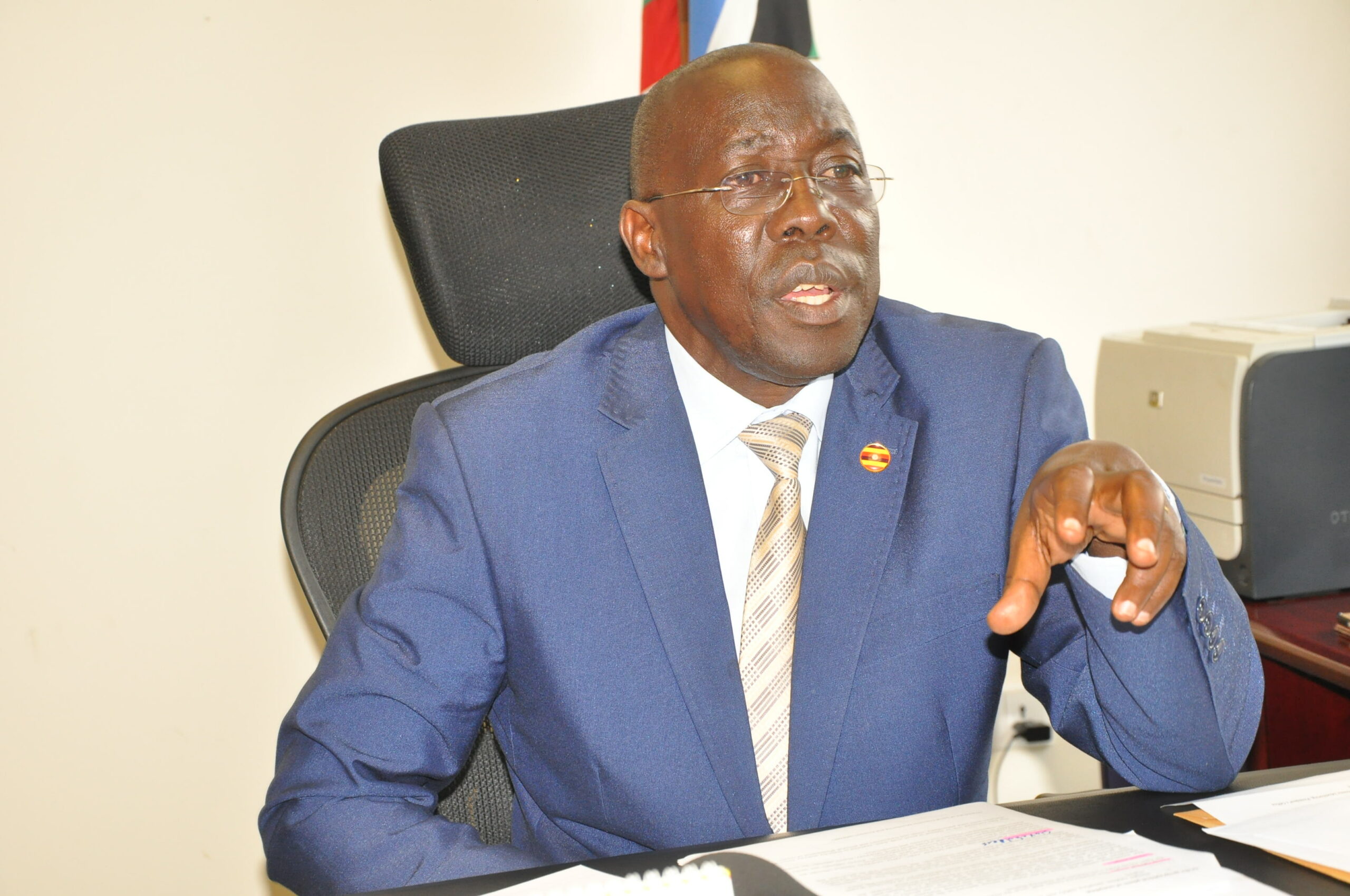
In an exclusive interview with this publication, the embattled Prime Minister of Bunyoro Kitara Kingdom addressed pressing questions about his legitimacy and the ongoing leadership crisis. Despite a court ruling affirming his authority, the Prime Minister faces resistance from the former officeholder, prolonging tensions in the kingdom’s administration.


The Prime Minister, in a candid response, clarified that his position is legally supported. “On December 16, 2024, the court declared that what the Hon Okwir did to appoint a new kingdom cabinet was correct,” he stated. He emphasized that his role is not confined to occupying an office building but extends to lawful execution of duties.

Challenging claims that he is a “phony,” he remarked, “What I am doing is lawful. I am not pretentious but rather legally recognized with court affirmation.”


The refusal of the former Prime Minister to vacate office has drawn sharp criticism. “Refusing to relinquish the office and continuing impersonating against the court ruling becomes contempt of court,” he noted. He warned that such defiance could lead to legal consequences, underscoring the importance of abiding by judicial decisions in a civilized society.


Despite the court order, the Prime Minister has been unable to access the official office building, attributing the delay to police inaction. “In Uganda, when the court passes a verdict…it is the police to effect that order. As of now, we are waiting for the police,” he explained.

This impasse has created operational challenges, particularly in addressing financial concerns within the kingdom. “The kingdom workers have been telling us that they have spent five months without any pay. That scenario hurts me,” he lamented, criticizing the prioritization of events like football tournaments over staff salaries.


The Prime Minister outlined his vision for restoring trust and financial stability. “Every institution depends on who is leading it. Do people trust that person? I want to tell you that if you trace my record, I have a good one,” he affirmed. He called for transparent management of kingdom finances and pledged to secure support from allies to uplift the kingdom’s workers.


The Prime Minister expressed concern over the health of the kingdom’s monarch, Rukirabasaija. “You cannot keep saying that the king is well yet his subjects witnessed him being carried on a stretcher and airlifted to Kampala,” he stated. He urged for transparency about the king’s condition, emphasizing the need for his recovery.


When asked if he would step down in the face of a new court ruling against him, the Prime Minister demonstrated a commitment to legal processes. “I can’t refuse. I can’t disobey the court order,” he assured, reinforcing his respect for the rule of law.


Addressing questions about his VIP status and enhanced security, he explained that his position naturally warrants protection. “I have been a government minister, I have been a presidential advisor…security guards are not new to me,” he said.


Share This
Daily Telegraph

Daily Telegraph


Got a story or an opinion or feedback to share? Email us on: editorial@telegraph.co.ug


Join our community


Minister’s ‘It Was His Time’ Comment Triggers Backlash Over MP Ssegirinya’s Death

Minister’s ‘It Was His Time’ Comment Triggers Backlash Over MP Ssegirinya’s Death
Share This

Summary:

  • Ugandan MP Muhammad Ssegirinya’s death has sparked controversy, with Minister Huda Oleru attributing it to divine timing, dismissing links to his prolonged incarceration. MPs criticized the government for delays in granting bail, which they believe worsened his health, and called for reforms to ensure justice and fairness for political opponents.

Web Design and Hosting Ad

Let Us Build Your Online Success!

We are the experts in creating visually stunning and functional websites. With reliable hosting and exceptional customer support, we bring your vision to life. Join hundreds of happy clients who trust us!

Get Started Now

📞 Call/WhatsApp: +256 207 800 192

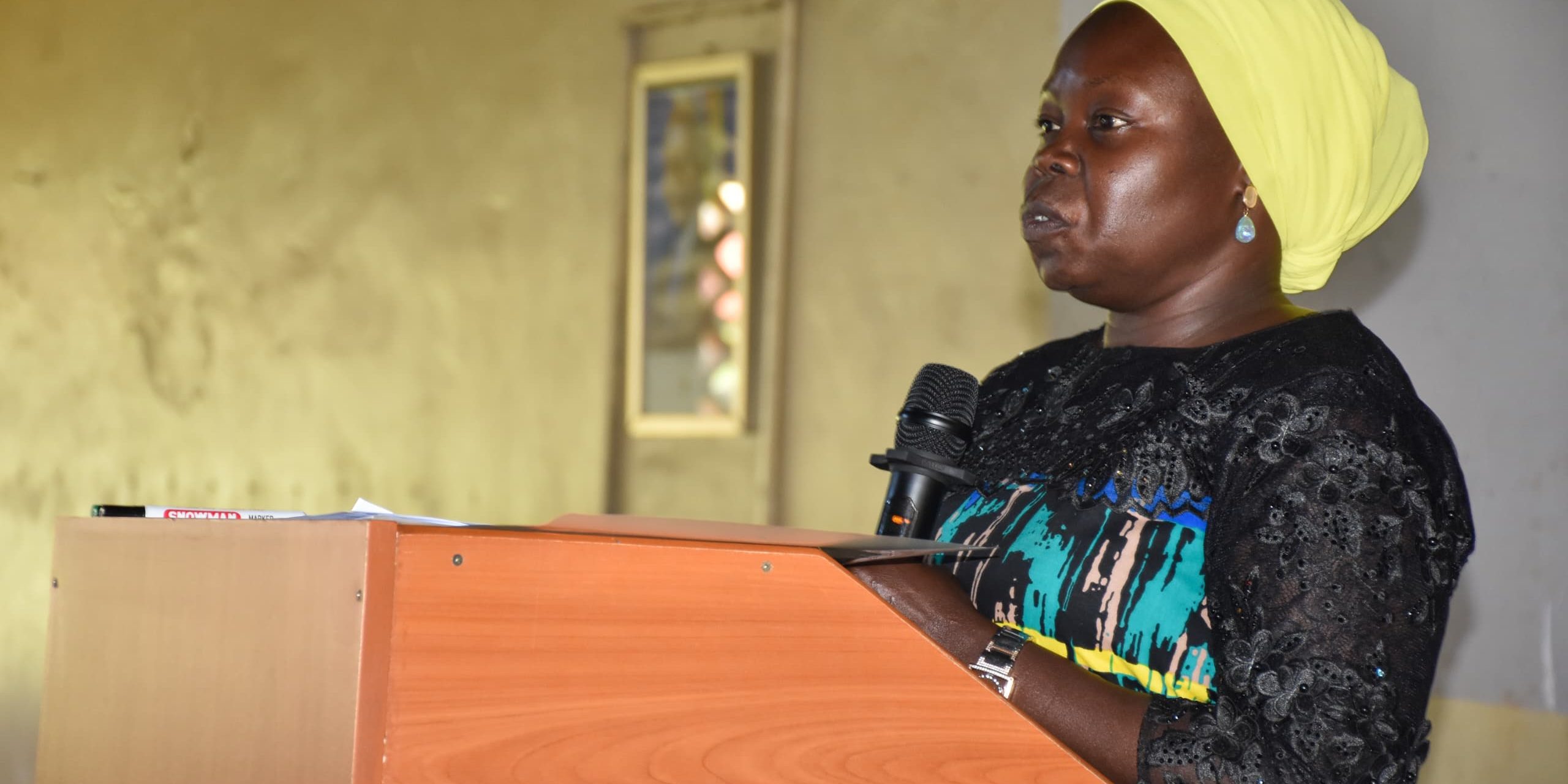
The Minister of State for Veteran Affairs, Huda Oleru, has drawn criticism for controversial remarks about the death of MP Muhammad Ssegirinya, asserting that his passing was divinely preordained and unrelated to his prolonged incarceration.

Speaking during a parliamentary session honoring Ssegirinya, Oleru stated, “The faith I subscribe to strongly believes that you only die when it is your day. If you are a believer, you will know it is your time.” She dismissed criticisms linking Ssegirinya’s death to his 17-month detention, urging non-Muslims to avoid commenting on the matter.

Ssegirinya, MP for Kawempe North, passed away on January 9 at Lubaga Hospital, three hours after it was revealed he had suffered brain death. His health had steadily declined following his incarceration on terrorism and murder charges alongside fellow legislator Allan Ssewanyana.

The two MPs were detained in September 2021 over accusations related to machete killings in Greater Masaka. Despite eventually being granted bail, Ssegirinya’s condition worsened, leading to organ failure that required artificial support.

Parliament’s tribute to Ssegirinya quickly turned into a critique of the government’s role in his suffering. MPs accused the state of politicizing justice and delaying bail for opposition figures.

Butambala County MP Muwanga Kivumbi lambasted President Museveni for allegedly pressuring the judiciary. “Maybe Ssegirinya would have lived longer if the judiciary had not been intimidated. Bail is a constitutional right, and no one can take that away,” he said.

Bugiri Municipality MP Asuman Basalirwa, Ssegirinya’s lawyer, called for the unconditional withdrawal of charges against other detainees linked to the case. “The only justice we can give Ssegirinya is to drop these baseless charges,” Basalirwa argued.

Kampala Central MP Muhammad Nsereko emphasized the importance of bail, asserting that earlier release could have saved Ssegirinya’s life. “Bail ensures a fair trial. If Ssegirinya had been granted bail sooner, he could have received timely medical care,” Nsereko said.

While Minister Oleru’s remarks stirred controversy, other officials struck a more conciliatory tone. Minister of State for Youth and Children Affairs Balaam Barugahara apologized for the government’s handling of Ssegirinya’s case. “Ssegirinya was a fearless advocate for the marginalized and a tireless representative of his people. We must do better,” Balaam said.

Share This
Daily Telegraph

Daily Telegraph


Got a story or an opinion or feedback to share? Email us on: editorial@telegraph.co.ug


Join our community


Uganda’s Electoral Commission Seeks Early Voting Rights for Essential Workers

Uganda’s Electoral Commission Seeks Early Voting Rights for Essential Workers
Share This

Summary:

  • Uganda’s Electoral Commission has urged Parliament to amend laws allowing essential workers, like medics and security personnel, to vote before polling day, citing their inability to participate due to work commitments.

Web Design and Hosting Ad

Let Us Build Your Online Success!

We are the experts in creating visually stunning and functional websites. With reliable hosting and exceptional customer support, we bring your vision to life. Join hundreds of happy clients who trust us!

Get Started Now

📞 Call/WhatsApp: +256 207 800 192

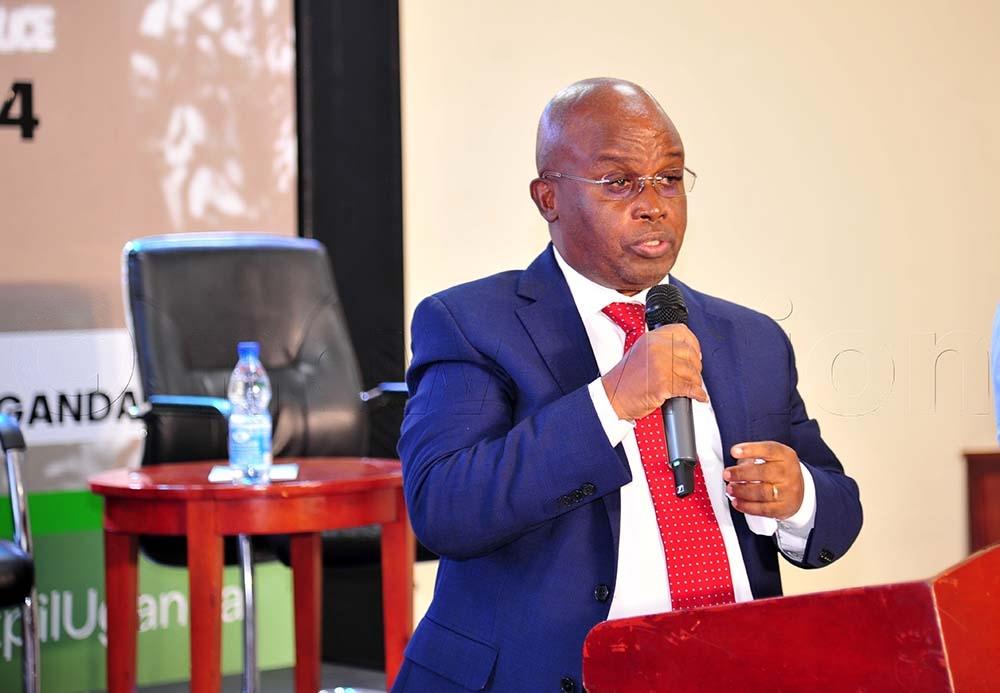
The Electoral Commission (EC) has reiterated its appeal to Parliament to amend electoral laws to enable essential workers to vote ahead of polling day. This recommendation was emphasized during a regional stakeholder meeting in Jinja, where Commissioner Stephen Tashobya underscored the disenfranchisement faced by essential workers unable to vote due to their professional obligations.

Commissioner Tashobya highlighted that several groups, including election officials, security personnel, healthcare workers, and journalists, are often engaged in critical duties on polling days, effectively preventing them from participating in elections.

“Among the reforms we have submitted to Parliament is a proposal to allow essential workers to vote before polling day,” Tashobya said. He noted that this adjustment aligns with practices in other democracies, including Rwanda, Kenya, and Namibia, which have successfully implemented early voting systems for specific groups.

Lt. Col. Victor Kabigumira, the UPDF Political Commissar in the Busoga subregion, echoed this sentiment, expressing frustration over the inability of security personnel to cast their votes due to election-day responsibilities.

“This proposal has been submitted to Parliament, and we sincerely appeal to Members of Parliament to consider it favorably. Our constitutional right to vote is compromised,” he said, adding that he was unable to vote for his preferred presidential candidate during the last general elections.

Kabigumira emphasized the importance of facilitating early voting for those who play critical roles in managing elections, ensuring their inclusion in the democratic process.

In addition to advocating for early voting, Tashobya voiced concerns about the increasing commercialization of elections. Citing findings from a post-2021 general election survey, he revealed that some parliamentary candidates spent between UGX 500 million and UGX 1 billion on campaigns, often resorting to selling personal property to finance their bids.

Tashobya warned that excessive campaign spending and voter bribery could lead to annulled elections and costly by-elections. He referenced cases such as Jinja, where an election was nullified after a candidate bribed voters with UGX 5 million, and another in Bunyoro, where funds were used to repair a water source during campaigns. These incidents resulted in by-elections that cost taxpayers billions of shillings.

“The bribery of one candidate can cause the country to lose over UGX 1 billion in by-elections,” Tashobya explained.

Tashobya also discouraged the practice of giving money to voters, stressing that it fosters dependency and undermines accountability. He pointed out that such actions create a dynamic where leaders avoid engaging with voters once financial resources are depleted, ultimately harming service delivery.

“Leaders who run out of money often distance themselves from their voters, which negatively affects governance,” he noted.

The EC’s calls for early voting and ethical campaign practices come as Uganda prepares for its next election cycle. The Commission is urging all stakeholders to prioritize inclusivity, integrity, and accountability in the electoral process to strengthen Uganda’s democracy.

busiinge@telegraph.co.ug

Share This
Daily Telegraph

Daily Telegraph


Got a story or an opinion or feedback to share? Email us on: editorial@telegraph.co.ug


Join our community


Speaker Anita Among Pledges to Pay School Fees for Ssegirinya’s Daughter

Speaker Anita Among Pledges to Pay School Fees for Ssegirinya’s Daughter
Share This

Summary:

  • Speaker Anita Among has pledged to cover the tuition for one of the late MP Muhammad Ssegirinya’s children. This follows a call for MPs to contribute funds to support his family, with additional proposals to help start a business for them.

Web Design and Hosting Ad

Let Us Build Your Online Success!

We are the experts in creating visually stunning and functional websites. With reliable hosting and exceptional customer support, we bring your vision to life. Join hundreds of happy clients who trust us!

Get Started Now

📞 Call/WhatsApp: +256 207 800 192

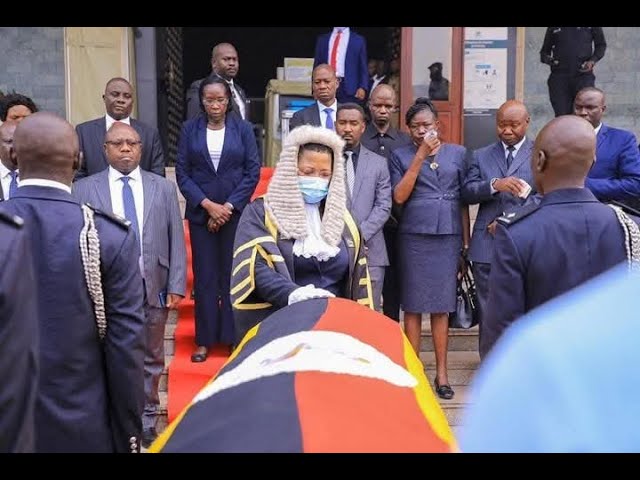
Speaker of Parliament, Ms. Anita Among, has committed to covering the tuition fees for one of the late Kawempe North MP Muhammad Ssegirinya’s children following his death on Thursday at Lubaga Hospital in Kampala. During a special parliamentary session held on Friday to honor Ssegirinya, the Bukedea Woman MP announced her decision to sponsor Aliyah Nagirinya’s education, from primary through to secondary school.

This gesture came after Mr. Bumali Mpindi, the MP representing persons with disabilities, urged fellow lawmakers to each contribute at least Shs500,000 to support Ssegirinya’s grieving family. In response, Ms. Among recommended that contributions be made on a personal basis, citing backlash she faced from a previous collective fundraising effort for the late Speaker Jacob Oulanyah’s family.

“I can take up one child and support her education,” Ms. Among said, addressing Ssegirinya’s family members in the visitors’ gallery. “After this, come to me, and I will take up a child, pay your fees, and enroll you in my school.”

Shortly after, Butambala Woman MP Aisha Kabanda urged her colleagues to contribute at least Shs300,000 each to help start a business for Ssegirinya’s family. Kabanda highlighted that, unlike the late Speaker Oulanyah who had a benefits package, Ssegirinya’s short tenure in Parliament left him without sufficient resources to secure his family’s future.

“If each MP contributes, we could raise Shs150 million to help the family start a business,” Kabanda suggested, a proposal that was warmly received by MPs, including those from the ruling party.

Share This
Daily Telegraph

Daily Telegraph


Got a story or an opinion or feedback to share? Email us on: editorial@telegraph.co.ug


Join our community
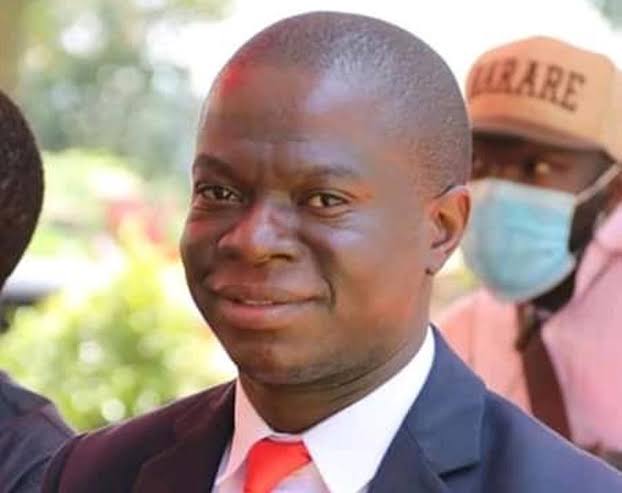


MP Ssegirinya’s Death Highlights Misconceptions About Brain Death

MP Ssegirinya’s Death Highlights Misconceptions About Brain Death
Share This

Summary:

  • The death of Kawempe North MP Muhammad Ssegirinya has raised discussions on brain death, with experts clarifying it is irreversible despite temporary organ function. Confusion arose after reports suggested he was not fully dead, prompting calls for better medical communication to manage expectations during such emotional events.

Web Design and Hosting Ad

Let Us Build Your Online Success!

We are the experts in creating visually stunning and functional websites. With reliable hosting and exceptional customer support, we bring your vision to life. Join hundreds of happy clients who trust us!

Get Started Now

📞 Call/WhatsApp: +256 207 800 192

The death of Kawempe North MP Muhammad Ssegirinya on Thursday has ignited public discourse on brain death, with experts highlighting potential misunderstandings and the emotional toll such diagnoses can have.

According to Dr. Erasmus Okello, an Intensivist and Lecturer of Anesthesiology and Critical Care at Makerere University, brainstem damage—the irreversible loss of function in the brain region controlling vital life processes—leaves no chance of recovery. While organs such as the heart or kidneys may temporarily function, this is not an indication of life.

Lubaga Hospital confirmed Ssegirinya’s passing at 12:10 PM. However, earlier in the day, opposition leader Robert Kyagulanyi, President of the National Unity Platform (NUP), claimed on X (formerly Twitter) that Ssegirinya was not entirely dead. He cited information from hospital medics indicating that Ssegirinya’s brain was dead, his organs had largely failed, but he was not officially declared dead.

This statement led to widespread confusion among the public. Dr. Okello attributed the misunderstanding to potential communication gaps, noting that death is confirmed through standardized medical evaluations, including tests of eye response and respiratory function. He emphasized that while brain death can be emotionally challenging to accept, it is medically irreversible.

Okello also clarified the distinction between brain death and cardio-circulatory death, the latter involving heart stoppage while the brainstem remains functional. In such cases, rapid medical intervention can sometimes reverse the condition, but the brain can only survive for approximately four minutes without oxygen. Beyond this window, survival becomes impossible.

Globally, in countries where organ transplantation is practiced, organs from individuals declared brain-dead are often harvested quickly to save other lives. However, Uganda does not currently have such systems in place.

Dr. Okello urged healthcare professionals in Uganda to improve communication with families during such sensitive moments, cautioning against offering false hope or pursuing costly treatments once brain death is confirmed. He reiterated that no medical intervention, prayers, or rituals can reverse the condition, and managing expectations with compassion and clarity is crucial.

editorial@telegraph.co.ug

Share This
Daily Telegraph

Daily Telegraph


Got a story or an opinion or feedback to share? Email us on: editorial@telegraph.co.ug


Join our community
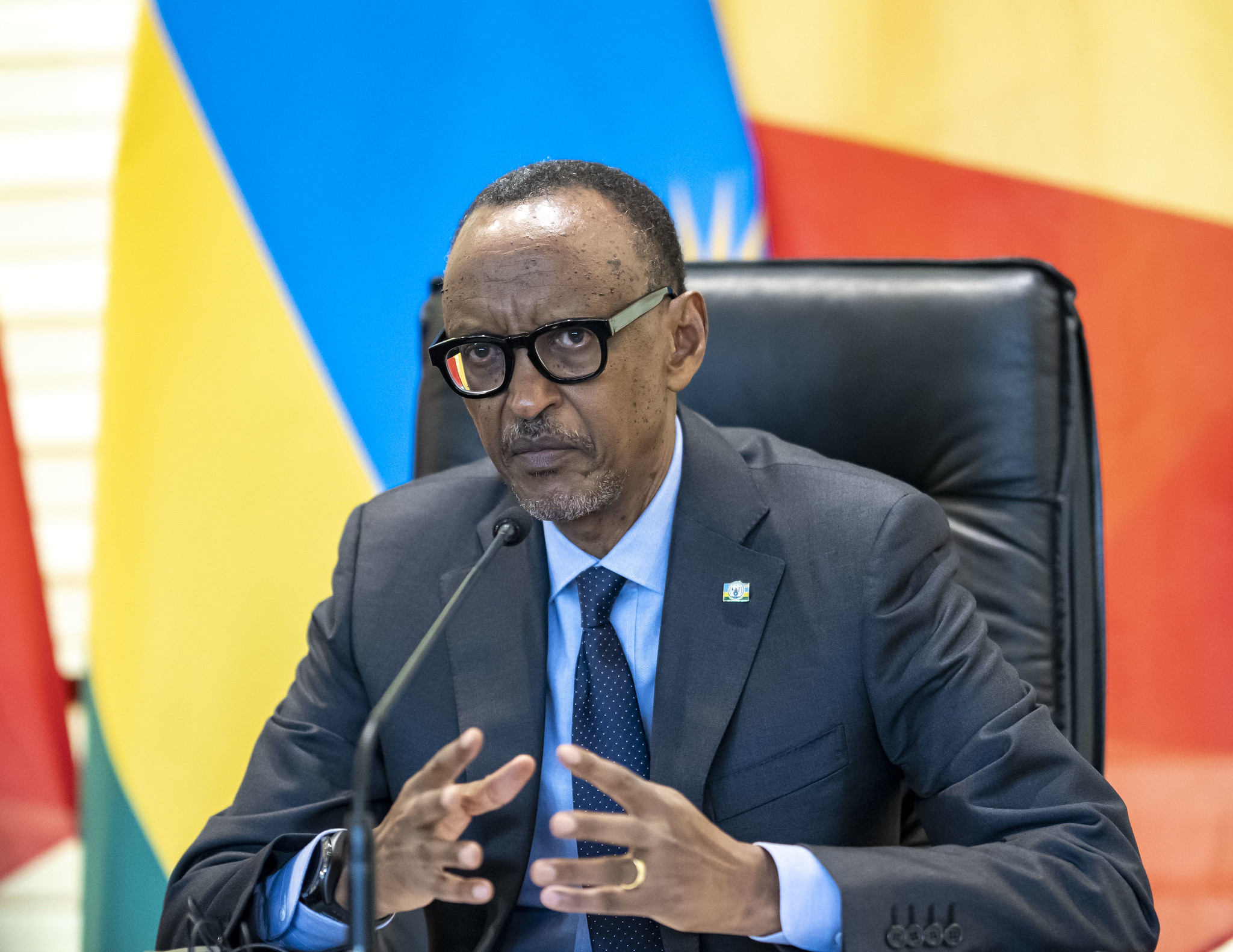


Uganda’s Gen. Muhoozi Quits X After Controversial Comments

Uganda’s Gen. Muhoozi Quits X After Controversial Comments
Share This

Summary:

  • Uganda’s Chief of Defence Forces and President Museveni’s son, Gen. Muhoozi Kainerugaba, has deactivated his X account after controversial remarks, including a threat against NUP leader Bobi Wine. Known for sparking diplomatic tensions, his tweets have strained relations with Kenya and the U.S., prompting Uganda’s government to distance itself from his statements. Muhoozi cited spiritual reasons for leaving the platform to focus on his military role.

Web Design and Hosting Ad

Let Us Build Your Online Success!

We are the experts in creating visually stunning and functional websites. With reliable hosting and exceptional customer support, we bring your vision to life. Join hundreds of happy clients who trust us!

Get Started Now

📞 Call/WhatsApp: +256 207 800 192

Uganda’s Chief of Defence Forces (CDF) and President Yoweri Museveni’s son, Gen. Muhoozi Kainerugaba, has deactivated his X (formerly Twitter) account. This decision follows a series of controversial posts, including a recent statement in which he threatened to behead Robert Kyagulanyi, popularly known as Bobi Wine, the leader of the National Unity Platform (NUP).

In his final post to his one million followers, Gen. Muhoozi announced his departure, citing “the instructions and blessings of my Lord Jesus Christ” and expressing a desire to focus on his role in the Uganda People’s Defence Force (UPDF).

“I know you all love me and that you will continue to follow me like the wind long after here. At an appropriate time in the future…we shall always re-converge,” he wrote.

History of Controversial Tweets

Gen. Muhoozi’s tweets have often sparked diplomatic controversies and strained relations with neighboring countries. In 2022, he apologized to Kenyan President William Ruto after a series of tweets claimed Uganda’s military could capture Nairobi within two weeks. The remarks triggered a diplomatic storm, prompting Uganda’s government to reaffirm its commitment to peaceful coexistence with Kenya.

“The Ministry of Foreign Affairs wishes to emphasise that the Government and the people of Uganda treasure the strong bilateral relationship with Kenya, built on shared history, common values, mutual respect, and trust,” the statement read.

Tensions with the U.S.

In another incident, Gen. Muhoozi demanded that U.S. Ambassador William Popp apologize to President Museveni, accusing him of undermining Uganda’s constitution and disrespecting the president. He warned that failure to apologize would result in calls for the ambassador’s removal from Uganda.

“If this current US ambassador does not apologize to mzee (Museveni) personally by Monday morning (9:00am) for his undiplomatic behavior in our country, we will demand he leaves Uganda,” Gen. Muhoozi stated.

His departure from the platform marks the end of a controversial presence that frequently sparked debates and drew criticism, both locally and internationally. However, his tweets have also raised broader questions about Uganda’s political landscape and the future of President Museveni’s 38-year rule under the National Resistance Movement (NRM).

Share This
Daily Telegraph

Daily Telegraph


Got a story or an opinion or feedback to share? Email us on: editorial@telegraph.co.ug


Join our community


M23 Leaders and Majority of Their Fighters Came from Uganda, Says Kagame

M23 Leaders and Majority of Their Fighters Came from Uganda, Says Kagame
Share This

Summary:

  • President Paul Kagame addressed the complexities of the conflict in Eastern Congo, emphasizing its roots in colonial history, regional instability, and international influences. He refuted allegations that Rwanda supports the M23 group, highlighting that its leaders and fighters primarily came from Uganda. Kagame criticized the persecution of Rwandan-speaking Congolese and questioned the role of the international community in addressing the crisis.

Web Design and Hosting Ad

Let Us Build Your Online Success!

We are the experts in creating visually stunning and functional websites. With reliable hosting and exceptional customer support, we bring your vision to life. Join hundreds of happy clients who trust us!

Get Started Now

📞 Call/WhatsApp: +256 207 800 192

President Paul Kagame of Rwanda has articulated a comprehensive analysis of the ongoing crisis in the Democratic Republic of Congo (DRC), particularly focusing on the M23 rebellion.

Historical Roots of the Crisis

President Kagame emphasized that the conflict in Eastern Congo is not an isolated issue but a symptom of deeper historical and structural problems. He traced its origins back to colonial times, highlighting how the arbitrary drawing of borders and colonial policies sowed seeds of discord that continue to affect the region. These historical injustices, coupled with the DRC’s internal governance challenges, have perpetuated instability.

“The problem has roots in the history of that country, our region, and our continent,” Kagame stated, pointing to the broader implications of the crisis beyond Eastern Congo.

Clarifying Rwanda’s Role

Addressing accusations of Rwanda’s involvement in supporting M23, Kagame categorically refuted the claims. He explained that the leaders and majority of M23 fighters originated from Uganda, where they had sought refuge following previous conflicts in 2012 and 2013. Rwanda’s involvement, he argued, has been limited to hosting refugees fleeing persecution and violence in the DRC.

“Why do we have over 100,000 refugees here in Rwanda?” Kagame asked rhetorically. “Is it because Rwanda wants refugees? No, they came here fleeing persecution.”

He further noted that the Congolese government itself has admitted that many of the M23 fighters are Congolese nationals, complicating accusations of foreign interference.

Double Standards and Misplaced Blame

Kagame criticized the international community and certain Congolese leaders for their selective narratives. He argued that the focus on Rwanda’s alleged role in the conflict diverts attention from the real issues—the internal governance failures and the presence of numerous armed groups within the DRC, many of which have no ties to Rwanda.

“How does the fighting in Eastern Congo become Rwanda’s problem?” Kagame questioned. “The hundreds of groups fighting there have nothing to do with Rwanda.”

He also pointed to the international community’s tolerance of groups like the FDLR (Democratic Forces for the Liberation of Rwanda), which include perpetrators of the 1994 genocide against the Tutsi. These groups have operated in the DRC for decades, posing a significant security threat to Rwanda.

President Kagame called for an honest and unified approach to address the root causes of the conflict. He highlighted the role of powerful nations and international organizations in perpetuating instability through selective intervention and a failure to address underlying issues. According to Kagame, sustainable peace requires acknowledging these realities and fostering genuine collaboration among regional and international stakeholders.

busiinge@telegraph.co.ug

Share This
Daily Telegraph

Daily Telegraph


Got a story or an opinion or feedback to share? Email us on: editorial@telegraph.co.ug


Join our community


African Union Summit in Kampala Urges Action to Boost Agriculture

African Union Summit in Kampala Urges Action to Boost Agriculture
Share This

Summary:

  • The African Union’s agriculture summit in Kampala focuses on accelerating development through the Comprehensive Africa Agriculture Development Program (CAADP). Leaders call for action on food security, climate resilience, and reducing Africa’s dependence on food imports. A new 10-year strategy is set to address challenges and boost the continent’s agri-food systems.

Web Design and Hosting Ad

Let Us Build Your Online Success!

We are the experts in creating visually stunning and functional websites. With reliable hosting and exceptional customer support, we bring your vision to life. Join hundreds of happy clients who trust us!

Get Started Now

📞 Call/WhatsApp: +256 207 800 192

An extraordinary African Union (AU) summit on agriculture opened Thursday in Kampala, Uganda, as experts and leaders aim to accelerate development in the sector. The three-day event will review the Comprehensive Africa Agriculture Development Program (CAADP), a blueprint to transform agriculture across the continent.

Ugandan Prime Minister Robinah Nabbanja, inaugurating the summit, called for collective action to implement policy proposals. “It’s deplorable that Africa, with vast arable land and water resources, depends on food imports. This summit must chart a path for Africa to feed itself,” she emphasized.

The summit’s theme, “Building Resilient Agri-Food Systems,” underscores the need for innovative agricultural practices and climate-resilient strategies. Frank Tumwebaze, Uganda’s Minister of Agriculture, pledged a decade-long action plan to achieve CAADP goals, launched in 2003 as part of Africa’s Agenda 2063.

Ethiopia’s Agriculture Minister Girma Amente highlighted the sector’s vital role in sustaining the continent’s population amid climate challenges. AU Agriculture Commissioner Josefa Sacko presented a draft strategy for approval, developed after a 2024 AU report revealed no member state had met the Malabo CAADP targets.

With over 70% of Africans relying on agriculture for their livelihoods, leaders aim to ensure food security and economic resilience for the continent’s future.

Share This
Daily Telegraph

Daily Telegraph


Got a story or an opinion or feedback to share? Email us on: editorial@telegraph.co.ug


Join our community


Minister Lugoloobi Urges Support for Land Reforms and Kampala’s Transformation in NDP IV Presentation

Minister Lugoloobi Urges Support for Land Reforms and Kampala’s Transformation in NDP IV Presentation
Share This

Summary:

  • Minister of State for Planning, Amos Lugoloobi, urged Parliament to support proposed land reforms to facilitate land acquisition for public projects and address financial strain caused by idle loans tied up in legal disputes. He highlighted the importance of these reforms for the success of the Fourth National Development Plan (NDP IV) and Uganda’s infrastructure projects, such as the East African Crude Oil Pipeline.

Web Design and Hosting Ad

Let Us Build Your Online Success!

We are the experts in creating visually stunning and functional websites. With reliable hosting and exceptional customer support, we bring your vision to life. Join hundreds of happy clients who trust us!

Get Started Now

📞 Call/WhatsApp: +256 207 800 192

The Minister of State for Planning, Amos Lugoloobi, has called on Members of Parliament (MPs) to back the government’s proposed land reforms aimed at facilitating the acquisition of land for public projects. Lugoloobi emphasized that Uganda is facing significant financial pressure due to interest payments on idle loans tied up in lengthy court battles over land compensation.

Appearing before Parliament’s Budget Committee on January 6, 2025, during the presentation of the Fourth National Development Plan (NDP IV)—which will guide Uganda’s development from 2025 to 2030—Lugoloobi stressed the urgency of these reforms.

“We need land reforms to streamline the acquisition of land for public projects. This has become a major issue. We have borrowed substantial concessional loans, but they remain unutilized because of ongoing legal disputes over land acquisition and compensation. This is a serious problem; while we try to follow constitutional procedures to acquire land, we are often caught up in protracted legal battles,” Lugoloobi explained.

The debate on land reforms is not new. In 2017, the government proposed amending Article 26 of the Constitution to allow the state to take land for public projects, with disputed compensation being deposited in court while projects move forward. The proposal faced strong public opposition, with fears it could encourage land grabbing and corruption among officials. Critics also noted that in some instances, land acquired for development was later transferred to private hands.

Reigniting the debate, Minister Lugoloobi highlighted the critical role these reforms play in the success of NDP IV, pointing to the difficulties Uganda faced in acquiring land for the East African Crude Oil Pipeline (EACOP), in contrast to Tanzania’s smoother process.

“Delays in road construction are often caused by challenges in securing the right of way, which not only slows project implementation but also leads to significant costs in loan commitment fees. While Tanzania had no such challenges with the EACOP, Uganda faced considerable obstacles. These reforms are essential to securing Parliament’s support for future infrastructure projects,” Lugoloobi stated.

Alongside land reforms, the government has outlined plans to transform Kampala into a modern city aimed at reducing congestion, pollution, and petty crime, while positioning the city as Uganda’s logistical hub.

“The Kampala Metropolitan Area will be developed into Uganda’s logistical center to enhance productivity across sectors such as Foreign Direct Investment (FDI), tourism, and public service efficiency, which will lead to a better quality of life,” said Lugoloobi.

He criticized the current state of Kampala, describing it as congested, polluted, and plagued by petty crime, factors which he said harm Uganda’s global image and economic prospects.

While specific strategies for this transformation were not detailed, Lugoloobi’s comments followed the Ministry of Finance’s December 2024 loan requests for infrastructure projects in Kampala. These included an additional $518 million (UGX 1.87 trillion) in loans and a $48 million (UGX 173.6 billion) grant from the World Bank, as well as a €40 million (UGX 151.4 billion) loan from Agence Française de Développement (AFD) for road construction.

Another proposal included borrowing €45 million (UGX 170.4 billion) from AFD for improvements in water and sanitation services in Kampala.

According to the National Planning Authority (NPA), the main objective of NDP IV is to increase household incomes, fully monetize the economy, and create jobs to drive socio-economic transformation. Key focus areas include agriculture, industry, minerals, oil and gas, tourism, ICT, and financial services.

The Authority also noted progress in poverty reduction, with the poverty rate dropping from 24.5% in 2010/11 to 20.3% in 2019/20. Similarly, the subsistence economy shrank from 69% in 2010/11 to 39% in 2022/23. However, Lugoloobi emphasized that further economic integration is essential, as 33.1% of the population—around 3.5 million people—remain outside the monetary economy, limiting their income generation and access to vital services.

Additionally, the Minister reported significant growth in Uganda’s electricity capacity, with installed generation rising from 595 MW in 2010/11 to 2,047 MW in 2023/24. Access to electricity also grew from 24% in 2017/18 to 58% in 2023/24, demonstrating progress in expanding energy access.

Share This
Daily Telegraph

Daily Telegraph


Got a story or an opinion or feedback to share? Email us on: editorial@telegraph.co.ug


Join our community


Uganda Joins BRICS as a Partner State

Uganda Joins BRICS as a Partner State
Share This

Summary:

  • Uganda will join BRICS as a Partner State in the first quarter of 2025, becoming the first East African Community (EAC) member to do so. This move expands BRICS’ influence in East Africa, with Uganda joining countries like Brazil, Russia, India, China, and South Africa.

Web Design and Hosting Ad

Let Us Build Your Online Success!

We are the experts in creating visually stunning and functional websites. With reliable hosting and exceptional customer support, we bring your vision to life. Join hundreds of happy clients who trust us!

Get Started Now

📞 Call/WhatsApp: +256 207 800 192

Uganda has officially become a Partner State of the BRICS group, a move set to take effect in the first quarter of 2025. This makes Uganda the first member of the East African Community (EAC) to join the influential group of emerging economies. Whether other EAC members will follow Uganda’s lead remains to be seen.

BRICS, originally consisting of Brazil, Russia, India, China, and South Africa, serves as a platform for cooperation among the world’s leading emerging economies. Uganda’s membership will expand BRICS’ reach into the EAC region, where it joins as both a member and a founding country.

The EAC, modeled after the European Union, comprises eight countries: Kenya, Tanzania, Uganda, Burundi, DR Congo, Rwanda, Somalia, and South Sudan. BRICS, on the other hand, represents a coalition of countries that stand in contrast to Western economic policies, focusing on mutual benefit, equality, and non-interference.

The BRICS group began in 2009 as BRIC with five founding members and has since expanded. In 2010, South Africa became the first African state to join. Recently, countries like Iran, Egypt, Ethiopia, and the United Arab Emirates have also joined, with Uganda set to follow in 2025, bringing BRICS’ membership to ten countries.

The group’s initiatives, including the New Development Bank, BRICS Contingent Reserve Arrangement, and BRICS Pay, offer alternatives to Western-led financial institutions, signaling a shift in global economic dynamics. The evolving BRICS identity, known as BRICS+, leaves room for more countries to join, highlighting its growing global influence.

Share This
Daily Telegraph

Daily Telegraph


Got a story or an opinion or feedback to share? Email us on: editorial@telegraph.co.ug


Join our community
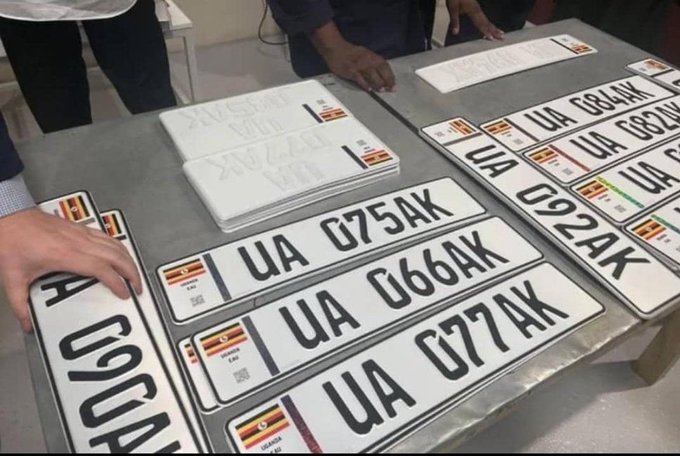


Uganda Rolls Out Third Phase of Digital Vehicle Registration Plates with ITMS Expansion

Uganda Rolls Out Third Phase of Digital Vehicle Registration Plates with ITMS Expansion
Share This

Summary:

  • Uganda’s Ministry of Works and Transport has launched the third phase of the Intelligent Transport Monitoring System (ITMS), introducing digital vehicle registration plates for first-time vehicle registrations. The initiative, aimed at enhancing transport monitoring and road safety, is being rolled out at key border points and fitment centres across the country.

Web Design and Hosting Ad

Let Us Build Your Online Success!

We are the experts in creating visually stunning and functional websites. With reliable hosting and exceptional customer support, we bring your vision to life. Join hundreds of happy clients who trust us!

Get Started Now

📞 Call/WhatsApp: +256 207 800 192

The Ministry of Works and Transport has launched the third phase of the Intelligent Transport Monitoring System (ITMS) project, marking a major milestone in the implementation of digital vehicle registration plates for both private and public motor vehicles entering Uganda. The rollout events took place at the Malaba and Mutukula border entry points, underscoring the initiative’s nationwide significance.

Launched in November 2023, the ITMS project initially focused on government vehicles and later expanded to include motorcycles and tricycles by November 2024. The latest phase is aimed at vehicles undergoing first-time registration within Uganda, furthering the government’s efforts to enhance transport monitoring, improve road safety, and combat motor vehicle-related crimes.

The rollout was officially launched by Susan Kataike, Head of Communications at the Ministry, alongside the JSCGS team, at the one-stop customs center in Malaba. The digital registration plates are a crucial step toward modernizing Uganda’s transport systems.

The launch events were held at the Malaba and Mutukula border entry points, signifying the initiative’s nationwide impact.

The cost of obtaining a digital registration plate is UGX 714,300. The registration process is simplified for two categories of vehicle importers:

  1. Vehicles Clearing Taxes at Entry Points (DIRECT IM4): Importers clearing taxes at Mombasa or Dar es Salaam can enter Uganda with a vehicle already fitted with a digital plate and a logbook. After clearing taxes, owners can book their plates via the ITMS portal.
  2. Vehicles Cleared After Storage in Bonded Warehouses (FROM IM7): Vehicles imported into bonded warehouses must complete tax clearance on the URA portal, followed by Ministry of Works and Transport assessments. Afterward, owners can book a digital plate through the ITMS portal.

The Ministry, in collaboration with Joint Stock Company Global Security (JSCGS), has established fitment centres at border points, bonded warehouses, and key upcountry offices. In Kampala, nine major bonds, including Kampala Modernity, Cadam Enterprises, and CFAO Motors, are designated as fitment centres. Upcountry offices are now operational in towns such as Arua, Gulu, Jinja, Mbale, Masaka, Mbarara, and Kabale.

Kataike emphasized the Ministry’s commitment to ensuring a smooth and efficient rollout. “Our goal is to make the process efficient and accessible to all Ugandans,” she said, urging vehicle owners to book their digital plates through the portal or contact JSCGS for assistance.

Uganda continues to modernize its transport systems, aligning with global standards while enhancing vehicle tracking and reducing vehicle-related crimes. The ITMS project, led by the Ministry of Works and Transport in partnership with JSCGS, aims to transform the nation’s transport monitoring systems, benefiting vehicle owners and contributing to overall safety and compliance.

Share This
Daily Telegraph

Daily Telegraph


Got a story or an opinion or feedback to share? Email us on: editorial@telegraph.co.ug


Join our community


Rotary President Stephanie Urchick Kicks Off African Tour with Visit to Uganda

Rotary President Stephanie Urchick Kicks Off African Tour with Visit to Uganda
Share This

Summary:

  • Rotary International President Stephanie Urchick has begun her visit to Uganda as part of her African Magic Tour 2025. During her stay, she will engage with local Rotarians, visit key projects like the Rotary Peace Centre at Makerere University, and attend events such as the Africa Peace Concert. Urchick’s visit aims to highlight Rotary’s impact in Uganda and its commitment to peacebuilding, education, and community development.

Web Design and Hosting Ad

Let Us Build Your Online Success!

We are the experts in creating visually stunning and functional websites. With reliable hosting and exceptional customer support, we bring your vision to life. Join hundreds of happy clients who trust us!

Get Started Now

📞 Call/WhatsApp: +256 207 800 192

Rotary International President Stephanie Urchick has arrived in Uganda for the first stop of her African Magic Tour 2025, aimed at engaging with nearly 12,000 Rotarians and Rotaractors, as well as political and cultural leaders. The visit, which kicked off on Sunday, marks a significant milestone for the organization, as Urchick is the second woman to serve as president of Rotary International.

During her stay, Urchick will visit several key projects, including the Rotary Peace Centre at Makerere University—the first of its kind in Africa—where she will participate in a Peace Symposium and Capstone event on January 10th. This centre, dedicated to peacebuilding and conflict resolution, has been pivotal in training change-makers. Urchick will also attend the Africa Peace Concert to raise funds for the sustainability of the centre.

In addition to her peacebuilding efforts, Urchick will engage in activities like the Rotary Youth Leadership Awards (RYLA) and lead a Peace Walk to promote unity. She will also visit significant Rotary projects such as the Rotary Blood Bank at Mengo Hospital and the Rotary Cancer Centre at Nsambya Hospital. Urchick is expected to meet with Uganda’s political leadership, including Prime Minister Robinah Nabbanja and Buganda Kingdom Prime Minister Charles Peter Mayiga.

This visit highlights the continued impact of Rotary in Uganda, where the organization has raised significant funds to support local and global initiatives in education, healthcare, peace, and environmental sustainability.

Share This
Daily Telegraph

Daily Telegraph


Got a story or an opinion or feedback to share? Email us on: editorial@telegraph.co.ug


Join our community


Uganda Law Council Grants Martha Karua Temporary Practicing Certificate for Besigye’s Defense

Uganda Law Council Grants Martha Karua Temporary Practicing Certificate for Besigye’s Defense
Share This

Summary:

  • The Uganda Law Council has granted Martha Karua, former Kenyan Justice Minister, a temporary practicing certificate to represent Dr. Kizza Besigye and Hajji Obeid Lutale Kamulegeya in the General Court Martial. The decision follows her successful appeal after an initial rejection. Karua will appear in court on Tuesday.

Web Design and Hosting Ad

Let Us Build Your Online Success!

We are the experts in creating visually stunning and functional websites. With reliable hosting and exceptional customer support, we bring your vision to life. Join hundreds of happy clients who trust us!

Get Started Now

📞 Call/WhatsApp: +256 207 800 192

The Uganda Law Council has issued a temporary practicing certificate to former Kenyan Justice Minister Martha Karua, allowing her to represent jailed Ugandan opposition leader Dr. Kizza Besigye and his associate Hajji Obeid Lutale Kamulegeya before the General Court Martial on Tuesday.

Karua’s application was approved following a special meeting on Monday, chaired by Justice Irene Mulyagonja of the Court of Appeal. Karua, who is not a Ugandan citizen, had applied for the certificate to represent Besigye and Lutale, who face charges of illegal possession of firearms and ammunition.

Initially rejected on December 6, 2024, just days before the case was set to begin, Karua appealed the decision on December 23. She resubmitted her application along with a letter from the Uganda Law Society, which expressed concerns about the rejection.

In a unanimous decision, the Uganda Law Council issued the certificate, enabling Karua to appear on behalf of her clients in court on Tuesday.

Share This
Daily Telegraph

Daily Telegraph


Got a story or an opinion or feedback to share? Email us on: editorial@telegraph.co.ug


Join our community


Gen Muhoozi says he wants to behead opposition leader

Gen Muhoozi says he wants to behead opposition leader
Share This

Summary:

  • The head of Uganda’s military, who is also the son of longstanding President Yoweri Museveni, said he wanted to behead the country’s most prominent opposition leader.

Web Design and Hosting Ad

Let Us Build Your Online Success!

We are the experts in creating visually stunning and functional websites. With reliable hosting and exceptional customer support, we bring your vision to life. Join hundreds of happy clients who trust us!

Get Started Now

📞 Call/WhatsApp: +256 207 800 192

Muhoozi Kainerugaba is widely believed to be the heir apparent to his father, who has governed Uganda since 1986. Kainerugaba routinely makes inflammatory posts on social media, including a threat in 2022 to invade neighbouring Kenya.

Nairobi: The head of Uganda’s military, who is also the son of longstanding President Yoweri Museveni, said he wanted to behead the country’s most prominent opposition leader.

Muhoozi Kainerugaba is widely believed to be the heir apparent to his father, who has governed Uganda since 1986. Kainerugaba routinely makes inflammatory posts on social media, including a threat in 2022 to invade neighbouring Kenya.

Kainerugaba later apologised for that threat and sometimes says that certain posts are meant ironically.

In a post on X on Sunday evening, Kainerugaba said his father, whom he referred to by the honorific Mzee, was the only person protecting opposition leader Bobi Wine from him.

“If Mzee was not there, I would cut off his head today,” Kainerugaba posted.

Bobi Wine, whose legal name is Robert Kyagulanyi and who finished second to Museveni in the 2021 presidential election, responded on X that he did not take the threat lightly, saying there had been several previous attempts on his life.

Kainerugaba responded: “Finally! I woke you up? Before I behead you, repay us the money we loaned you,” suggesting the government had previously bought off Wine to undermine the opposition.

Spokespeople for the government and Kainerugaba were not immediately reachable for comment. A spokesperson for the armed forces declined to comment.

The government spokesperson has previously said Kainerugaba’s social media posts should be understood as “casual” comments and not taken seriously or as reflecting government policy.

Wine, a popular musician turned politician has parlayed his star power into a career as Museveni’s most formidable challenger. He rejected the results of the 2021 election, alleging ballot stuffing and intimidation.

Human rights activists have also accused Museveni’s government of widespread human rights abuses, including torture and arbitrary detention.

Uganda’s government has repeatedly denied allegations of election fraud and human rights abuses.

Share This
Daily Telegraph

Daily Telegraph


Got a story or an opinion or feedback to share? Email us on: editorial@telegraph.co.ug


Join our community


UPDF Rejects ISIS Claims of Soldier Deaths in Kayunga

UPDF Rejects ISIS Claims of Soldier Deaths in Kayunga
Share This

Summary:

  • The UPDF has dismissed false reports from ISIS-affiliated channels claiming 10 soldiers were killed in Kayunga District, stating the allegations are baseless and designed to spread fear. Major Charles Kabona confirmed that no such incident occurred, and the area remains peaceful.

Web Design and Hosting Ad

Let Us Build Your Online Success!

We are the experts in creating visually stunning and functional websites. With reliable hosting and exceptional customer support, we bring your vision to life. Join hundreds of happy clients who trust us!

Get Started Now

📞 Call/WhatsApp: +256 207 800 192

The Uganda People’s Defence Forces (UPDF) has refuted reports circulating on ISIS-affiliated platforms that claimed 10 soldiers were killed and others injured during clashes near Misanga in Kayunga District. The reports falsely attributed the attack to a call for revenge by Musa Baluku, leader of the Allied Democratic Forces (ADF), who allegedly cited the slitting of eight Ugandan soldiers’ throats.

Major Charles Kabona, spokesperson for the UPDF 1st Division, labeled the reports as “malicious and baseless propaganda,” emphasizing that no such incident occurred. He reassured the public that the area remains peaceful, with no disruption to daily life in Kayunga. The UPDF urged the public to disregard the misinformation, stating that there is no evidence supporting the claims.

The ADF, a known terrorist group, has previously been responsible for attacks on civilians in Uganda and the Democratic Republic of Congo.

Share This
Daily Telegraph

Daily Telegraph


Got a story or an opinion or feedback to share? Email us on: editorial@telegraph.co.ug


Join our community


Half of Uganda’s Population is Under 18 – Censu Report

Half of Uganda’s Population is Under 18 – Censu Report
Share This

Summary:

  • Uganda’s 2024 National Population and Housing Census, released by UBOS on December 31st, reveals key demographic and socio-economic insights. The country’s population stands at 45.9 million, with a youthful demographic—half under 18.

Web Design and Hosting Ad

Let Us Build Your Online Success!

We are the experts in creating visually stunning and functional websites. With reliable hosting and exceptional customer support, we bring your vision to life. Join hundreds of happy clients who trust us!

Get Started Now

📞 Call/WhatsApp: +256 207 800 192

The Uganda Bureau of Statistics (UBOS) has unveiled the final results of the 2024 National Population and Housing Census, offering an in-depth look at Uganda’s evolving demographic and socio-economic landscape. Released on December 31st, the findings provide vital information for informed decision-making at all government levels.

The census, which adhered to international standards, comprehensively covered all households and individuals across the country. According to UBOS, the objectives of the survey included determining the size, structure, and distribution of the population, evaluating housing conditions, assessing access to services, and tracking socio-economic changes since the previous census.

With these findings, the census serves as a cornerstone for evidence-based planning, equitable resource allocation, and the design of key programs. It also supports Uganda’s Vision 2040 and other national development frameworks.

As of May 2024, Uganda’s population stands at 45,905,417, reflecting an average annual growth rate of 2.9% since the 2014 census. The results underscore a youthful nation, with half the population under 18, and only 5% aged 60 and above.

In housing, 81.1% of households have access to improved water sources, while 53.4% benefit from electricity, and 25.3% are connected to the national grid. Meanwhile, 28.1% of households rely on solar power. Literacy levels also show progress, with 74% of people aged 10 and above able to read and write.

However, significant challenges remain, particularly in well-being and mental health. UBOS reports that 33.1% of households are involved in subsistence farming, and 12% of individuals aged 10 and above suffer from probable psychological distress.

The census also highlights Uganda’s labor force of 25.5 million individuals aged 15 and above, representing 57.4% of the population. The national unemployment rate stands at 12.3%, with a particularly concerning 42.6% of youth (15-24 years) not engaged in employment, education, or training, amounting to over 4 million young people.

Experts emphasize the need for targeted interventions in education, health, employment, and social services to fully harness the potential of Uganda’s youthful population and address socio-economic inequalities. UBOS officials affirm that the comprehensive data from this census will serve as a critical foundation for future policies aimed at improving the quality of life for all Ugandans.

Share This
Daily Telegraph

Daily Telegraph


Got a story or an opinion or feedback to share? Email us on: editorial@telegraph.co.ug


Join our community


Ugandan Gov’t to Recruit Over 2,800 Teachers for New Term

Ugandan Gov’t to Recruit Over 2,800 Teachers for New Term
Share This

Summary:

  • The government plans to recruit 2,821 teachers for 91 seed schools nationwide to improve education quality. Job advertisements were published on December 23, 2024, with applications due by January 10. Schools are organized into 10 clusters for application submission.

Web Design and Hosting Ad

Let Us Build Your Online Success!

We are the experts in creating visually stunning and functional websites. With reliable hosting and exceptional customer support, we bring your vision to life. Join hundreds of happy clients who trust us!

Get Started Now

📞 Call/WhatsApp: +256 207 800 192

The government has announced plans to recruit 2,821 teachers for 91 seed schools nationwide ahead of the upcoming school term. This initiative is part of efforts to enhance education quality in the country.

Rev. Prof. Dr. Samuel Luboga, chairperson of the Education Service Commission, confirmed that job advertisements were published on December 23, 2024, with a closing date for applications set for January 10.

To facilitate the application process, schools have been organized into 10 clusters, with designated application submission centers located in Gulu, Arua, Soroti, Mbale, Kololo (Kampala), Hoima, Fort Portal, and Mbarara.

Derrick Namisi, principal economist in the Ministry of Education and Sports, explained that this recruitment is part of the second phase of the Uganda Government Intergovernmental Fiscal Transfers program (UGIFT). Each school will hire 31 staff members, including seven graduate science teachers, totaling 637 for science and an equal number for arts. Additionally, 364 diploma-holding science teachers and 455 diploma-holding arts teachers will be recruited.

The schools will also employ six non-teaching staff members each, amounting to a total of 547 non-teaching positions, which will include bursars, library assistants, and laboratory assistants. Dr. Asuman Lukwago, secretary of the Education Service Commission, noted that the exercise will require 1.3 billion shillings to cover allowances and transportation costs for staff.

Officials encourage teachers to submit their applications in person at the specified centers to meet the deadline for the new term.

Share This
Daily Telegraph

Daily Telegraph


Got a story or an opinion or feedback to share? Email us on: editorial@telegraph.co.ug


Join our community


Uganda’s 2026 Elections Raise Human Rights Concerns, Says Nicholas Opiyo

Uganda’s 2026 Elections Raise Human Rights Concerns, Says Nicholas Opiyo
Share This

Summary:

  • Nicholas Opiyo, Executive Director of Chapter Four Uganda, has raised concerns about escalating human rights abuses, voter suppression, and opposition harassment ahead of the 2026 elections. Citing Uganda’s history of electoral violence and lack of accountability, he calls for constitutional reforms, protection of civil society, and transparent electoral processes to ensure democracy and peace.

Web Design and Hosting Ad

Let Us Build Your Online Success!

We are the experts in creating visually stunning and functional websites. With reliable hosting and exceptional customer support, we bring your vision to life. Join hundreds of happy clients who trust us!

Get Started Now

📞 Call/WhatsApp: +256 207 800 192

Nicholas Opiyo, Executive Director of Chapter Four Uganda, has voiced deep concerns about the state of human rights and electoral integrity as Uganda prepares for its 2026 elections. With a troubling history of arbitrary arrests, voter intimidation, and suppression of opposition, Opiyo warns that the upcoming elections could replicate or even exceed previous cycles marred by violence and impunity.

Uganda’s elections have been repeatedly characterized by state violence against opposition figures. High-profile candidates such as Dr. Kizza Besigye and Robert Kyagulanyi Ssentamu (Bobi Wine) have faced significant harassment, including arbitrary arrests and violent assaults.

In a notable incident in November 2024, security forces abducted Besigye and Haji Obeid Lutale from Kenya, charging them with illegal firearm possession in a military court. Opiyo cites such actions as emblematic of systemic repression against opposition politicians.

Opiyo laments the lack of accountability for human rights abuses in Uganda, highlighting unresolved incidents such as the 2016 Kasese killings and numerous cases of torture and enforced disappearances during elections.

“There are too many victims of human rights violations who have never seen justice,” he said, emphasizing the urgent need for accountability to break the cycle of impunity.

As Uganda heads into another election season, Opiyo observes heightened public anxiety. He points to the suppression of peaceful protests, attacks on civil society, and the intimidation of media and opposition figures as ongoing issues.

“Every election brings the same pattern of arbitrariness,” he noted, predicting that 2026 could be even more volatile than previous elections.

Opiyo also advocates for a comprehensive review of Uganda’s 1995 Constitution, describing it as a “bounced cheque” that has failed to uphold its promises of justice, peace, and democratic rule. He calls for strengthening the judiciary and ensuring the independence of institutions to restore constitutional integrity.

The crackdown on NGOs following the 2021 elections, including the suspension of 54 organizations and the freezing of bank accounts, has further stifled dissent and hindered progress. Opiyo highlights the need to reverse this hostile environment, urging the government to view NGOs as partners in development rather than adversaries.

Despite facing personal and organizational challenges, including the shutdown of Chapter Four Uganda and his own arrest, Opiyo has relied on legal avenues to fight back. His efforts led to the reinstatement of Chapter Four and the unfreezing of its accounts, demonstrating the power of transparency and accountability.

Opiyo underscores the importance of fostering peaceful elections, ensuring public participation, and safeguarding democratic principles. “Uganda must prioritize the will of its people and reject electoral violence,” he declared, calling for collective efforts to protect democracy and human rights.

By highlighting Uganda’s history of electoral repression and the challenges facing civil society, Opiyo seeks to spark a broader conversation about justice, accountability, and the future of democracy in the country.

Share This
Daily Telegraph

Daily Telegraph


Got a story or an opinion or feedback to share? Email us on: editorial@telegraph.co.ug


Join our community


Bobi Wine Announces Bid for Uganda’s 2026 Presidential Election

Bobi Wine Announces Bid for Uganda’s 2026 Presidential Election
Share This

Summary:

  • Bobi Wine, leader of the National Unity Platform (NUP), has announced his intention to run for Uganda’s presidency in 2026, challenging President Museveni or any ruling party candidate. He dismissed claims of divisions within NUP, emphasized unity, and condemned government injustices. Open to opposition coalitions, he reiterated his commitment to change, accountability, and representing Ugandans seeking democracy.

Web Design and Hosting Ad

Let Us Build Your Online Success!

We are the experts in creating visually stunning and functional websites. With reliable hosting and exceptional customer support, we bring your vision to life. Join hundreds of happy clients who trust us!

Get Started Now

📞 Call/WhatsApp: +256 207 800 192

Robert Kyagulanyi Ssentamu, widely known as Bobi Wine, and leader of the National Unity Platform (NUP), has revealed plans to run for Uganda’s presidency in the 2026 elections, contingent on his party’s endorsement.

Speaking from his home in Magere, Wakiso district, Kyagulanyi expressed readiness to challenge President Yoweri Kaguta Museveni or any candidate from the ruling party. His announcement sets the stage for another intense election cycle following his spirited 2021 presidential campaign.

During a media briefing, Kyagulanyi addressed pressing national issues and emphasized his commitment to representing Ugandans seeking change. He declared, “I am ready to challenge Museveni or any candidate his party fields.”

NUP’s Unity Amid Challenges

Addressing concerns about reported divisions within NUP, Kyagulanyi dismissed claims of factions, asserting that the party remains united. “There are no factions in NUP—none at all,” he clarified, accusing the regime of using former members to create a false narrative of disunity.

Kyagulanyi acknowledged the regime’s tactics to sow division but reiterated NUP’s resolve to remain focused on its mission. “Unity is our strength, and we will not be derailed by those trying to divide us,” he affirmed.

Response to Muhoozi Kainerugaba’s Remarks

Kyagulanyi condemned recent remarks by Muhoozi Kainerugaba, who suggested shutting down meetings critical of government officials. “Such reckless statements reflect a deeply dysfunctional system where some believe they are above the law,” he said, urging the government to uphold justice and accountability.

Commitment to Political Prisoners

Kyagulanyi also spoke about political prisoners, advising against pleading guilty to fabricated charges while acknowledging the harsh realities of prison life. He vowed to continue advocating for the release of those detained unjustly.

Opposition Unity and Coalition Prospects

On the possibility of forming an opposition coalition, Kyagulanyi expressed openness to working with others committed to ending dictatorship and restoring democracy. “We are ready to collaborate with anyone sharing our vision for a better Uganda,” he stated.

Call for Accountability

Kyagulanyi highlighted the importance of principles in politics, emphasizing NUP’s zero-tolerance policy on corruption. He left the door open for reconciliation with estranged members, provided they adhere to the party’s conditions, including returning misused public funds and apologizing to Ugandans.

The Road Ahead

With the Electoral Commission releasing the roadmap for the 2026 elections, Kyagulanyi’s declaration signals the start of another critical chapter in Uganda’s political journey. As the country gears up for the polls, all eyes will be on how the opposition navigates challenges and opportunities in their quest for change.

Share This
Daily Telegraph

Daily Telegraph


Got a story or an opinion or feedback to share? Email us on: editorial@telegraph.co.ug


Join our community


MTN Uganda Names Dennis Kakonge as General Manager for Corporate Services and Company Secretary

MTN Uganda Names Dennis Kakonge as General Manager for Corporate Services and Company Secretary
Share This

Summary:

  • MTN Uganda has named Dennis Abigaba Kakonge as General Manager for Corporate Services and Company Secretary at MTN Mobile Money Uganda, effective December 1, 2024, pending Bank of Uganda approval. Kakonge brings extensive legal and regulatory experience from roles at MTN and Airtel Uganda.

Web Design and Hosting Ad

Let Us Build Your Online Success!

We are the experts in creating visually stunning and functional websites. With reliable hosting and exceptional customer support, we bring your vision to life. Join hundreds of happy clients who trust us!

Get Started Now

📞 Call/WhatsApp: +256 207 800 192

MTN Uganda has appointed Dennis Abigaba Kakonge as the General Manager for Corporate Services and Company Secretary at MTN Mobile Money Uganda, effective December 1, 2024, pending approval from the Bank of Uganda.

Kakonge brings a wealth of experience, having previously served as Senior Manager for Legal and Regulatory Affairs at MTN Uganda. He also held the role of Company Secretary for MTN affiliates, including MTN Publicom and MTN Village Phone.

Before rejoining MTN Uganda, Kakonge was the Company Secretary and Legal/Regulatory Director at Airtel Uganda, where he managed its subsidiaries and affiliates. He also chaired the board of trustees for the Airtel Uganda staff provident fund, further demonstrating his leadership in the telecom sector.

Share This
Daily Telegraph

Daily Telegraph


Got a story or an opinion or feedback to share? Email us on: editorial@telegraph.co.ug


Join our community


UEDCL Takes Over Electricity Distribution from Umeme After 20 Years

UEDCL Takes Over Electricity Distribution from Umeme After 20 Years
Share This

Summary:

  • The Uganda Electricity Distribution Company Limited (UEDCL) will replace Umeme Limited as the national electricity distributor starting April 2025, ending Umeme’s 20-year concession. The transition aims to reduce tariffs, improve service reliability, and ensure job continuity for employees. The government is finalizing Umeme’s buyout terms to ensure a seamless handover.

Web Design and Hosting Ad

Let Us Build Your Online Success!

We are the experts in creating visually stunning and functional websites. With reliable hosting and exceptional customer support, we bring your vision to life. Join hundreds of happy clients who trust us!

Get Started Now

📞 Call/WhatsApp: +256 207 800 192

The Uganda Electricity Distribution Company Limited (UEDCL) has been granted a license to distribute and sell electricity nationwide, marking the end of Umeme Limited’s 20-year concession, which expires in March 2025.

The decision follows government concerns over high electricity tariffs under Umeme’s tenure. UEDCL will assume operations on April 1, 2025, with a focus on affordability, quality, and reliability of electricity supply. The Electricity Regulatory Authority (ERA) reviewed UEDCL’s application, consulting key stakeholders before approving the license.

Energy Minister Ruth Nankabirwa assured continuity of services during the transition and praised Umeme for reducing power losses, improving revenue collection, and expanding electricity access. To support the transition, 2,712 employment positions will be available for UEDCL and Umeme employees.

The government is also working to finalize Umeme’s buyout amount by March 2025, ensuring a seamless transition for Uganda’s electricity distribution sector.

busiinge@telegraph.co.ug

Share This
Daily Telegraph

Daily Telegraph


Got a story or an opinion or feedback to share? Email us on: editorial@telegraph.co.ug


Join our community


Masindi Hospital Welcomed 11 Newborns on Christmas Day

Masindi Hospital Welcomed 11 Newborns on Christmas Day
Share This

Summary:

  • Over 290 babies were born across Uganda on Christmas Day, with Masindi Hospital delivering 11 newborns (8 boys, 3 girls). Most health facilities recorded more boys than girls, highlighting the festive day’s joy.

Web Design and Hosting Ad

Let Us Build Your Online Success!

We are the experts in creating visually stunning and functional websites. With reliable hosting and exceptional customer support, we bring your vision to life. Join hundreds of happy clients who trust us!

Get Started Now

📞 Call/WhatsApp: +256 207 800 192

Masindi Main Hospital celebrated Christmas Day with the successful delivery of 11 babies as Christians marked the birth of Jesus Christ. Of these newborns, eight were boys, and three were girls, with eight delivered naturally and three through caesarean section.

Dr. Rogers Musinguzi, the hospital’s medical superintendent, encouraged expectant mothers to seek hospital care during delivery to ensure safe outcomes for both mother and child.

Other health facilities across Uganda also recorded a significant number of births on Christmas Day. Kawempe National Referral Hospital welcomed 58 babies—32 boys and 26 girls. At Gulu Regional Referral Hospital, 38 babies were born, while Mbarara Regional Referral Hospital reported 31 births, comprising 16 boys and 15 girls. Meanwhile, Mulago Specialized Women and Neonatal Hospital recorded nine successful deliveries.

In total, over 290 babies were born in health facilities nationwide on this festive day, with more boys than girls making their arrival.

editorial@telegraph.co.ug

Share This
Daily Telegraph

Daily Telegraph


Got a story or an opinion or feedback to share? Email us on: editorial@telegraph.co.ug


Join our community


Kamwokya Med-Care Centre Shut Down Over Medical Negligence

Kamwokya Med-Care Centre Shut Down Over Medical Negligence
Share This

Summary:

  • The Uganda Medical and Dental Practitioners Council (UMDPC) has closed Kamwokya Med-Care Centre and suspended its proprietor, Dr. Richard Waigumba, for two years after the death of a patient due to professional misconduct. Investigations revealed unqualified personnel, poor supervision, falsified records, and inadequate resources.

Web Design and Hosting Ad

Let Us Build Your Online Success!

We are the experts in creating visually stunning and functional websites. With reliable hosting and exceptional customer support, we bring your vision to life. Join hundreds of happy clients who trust us!

Get Started Now

📞 Call/WhatsApp: +256 207 800 192

The Uganda Medical and Dental Practitioners Council (UMDPC) has ordered the immediate closure of Kamwokya Med-Care Centre and suspended its proprietor, Dr. Richard Waigumba, from medical practice for two years following the death of a patient due to gross professional misconduct.

The incident involves the death of Doreen Mpumwire Ikwap on January 22, 2023, after undergoing a myomectomy and ovarian cystectomy at the facility. Investigations revealed severe negligence and unqualified personnel performing critical surgical procedures.

Dr. Waigumba, who operated the clinic since 2016, collaborated with Dr. Andrew Odongkara, an unlicensed and unqualified surgeon, to perform the procedures. The investigation uncovered that Dr. Odongkara abandoned his Master’s program in Obstetrics and Gynecology and had no valid practicing license since 2021. Despite the patient experiencing severe complications, the facility lacked the necessary resources, including critical care equipment, further jeopardizing her recovery.

The council found multiple violations, including falsified patient records, poor supervision by Dr. James Kafeero, and the facility operating beyond its licensed scope. As a result:

  • Dr. Waigumba was suspended for two years, with a subsequent one-year supervised attachment before potential reinstatement.
  • Dr. Odongkara received identical sanctions.
  • Dr. Kafeero faced a one-year suspension and a six-month supervised attachment.
  • Nurses Celine Kadondi and Brenda Nabwami were referred to the Nurses and Midwifery Council for disciplinary action.

The closure of Kamwokya Med-Care Centre highlights the growing concern over professional negligence in Uganda’s healthcare sector. Authorities continue to enforce strict measures to uphold ethical standards and safeguard patients.

editorial@telegraph.co.ug

Share This
Daily Telegraph

Daily Telegraph


Got a story or an opinion or feedback to share? Email us on: editorial@telegraph.co.ug


Join our community


Ugandan Artists Urged to Prioritize Independence Over Gov’t Handouts

Ugandan Artists Urged to Prioritize Independence Over Gov’t Handouts
Share This

Summary:

  • Bobi Wine has criticized Ugandan artists for relying on government handouts, particularly from Gen. Salim Saleh, claiming it undermines their independence and professionalism. He urged artists to advocate for systemic reforms, support copyright legislation, and engage with structures like UMA instead of depending on external influences. Gen. Saleh and UMA President Cindy Sanyu also addressed issues of artist dependency, emphasizing sustainable industry growth.

Web Design and Hosting Ad

Let Us Build Your Online Success!

We are the experts in creating visually stunning and functional websites. With reliable hosting and exceptional customer support, we bring your vision to life. Join hundreds of happy clients who trust us!

Get Started Now

📞 Call/WhatsApp: +256 207 800 192

National Unity Platform (NUP) leader Robert Kyagulanyi, commonly known as Bobi Wine, has once again called out Ugandan artists for relying on government financial support, claiming it undermines their value, respect, and independence.

During a media address on Monday, Kyagulanyi criticized artists who align with individuals and systems that perpetuate oppression, accusing them of betraying their fans and the public. He singled out Gen. Salim Saleh, coordinator of Operation Wealth Creation (OWC) and brother to President Yoweri Museveni, alleging that Saleh wields undue influence over the music industry without expertise in the field.

“I warned you that these people would reduce you to beggars and alienate you from your true supporters. They exploit the same Ugandans who have stood by you because your music speaks to their struggles,” Kyagulanyi stated.

The NUP leader urged artists to advocate for industry-wide reforms instead of accepting handouts, which he said erode their dignity. He pointed to his ongoing push for legislation to protect artists’ rights, highlighting efforts by fellow artist and MP Dr. Hilderman (Hilary Kiyaga) to introduce a Copyright Bill in Parliament.

“I told Dr. Hilderman to take this matter to Parliament, and he did. But many artists have shown little interest in supporting these reforms,” Kyagulanyi lamented, adding that the lack of collective action leaves musicians vulnerable and dependent.

Kyagulanyi further accused Gen. Saleh of disrespecting artists, alleging that he uses financial leverage to control the industry.

“Gen. Saleh, a man who cannot sing a note, now dictates the music industry simply because he is the President’s brother and controls money for handouts,” Kyagulanyi said.

In Gulu, Gen. Saleh reportedly expressed frustration with musicians during a public event, rejecting a song by Omulangira Suuna meant to promote wealth creation. He criticized artists for inefficiencies, noting delays in their contributions to OWC initiatives.

“Musicians, I am tired of you. You’ve taken too much time. Imagine, I haven’t even met NRM members because I’m busy meeting artists like Bucha Man, Ragga Dee, and Odongo,” Saleh reportedly said.

In a letter dated November 17, Gen. Saleh appealed to Eddy Kenzo, President of the Uganda National Musicians Federation (UNMF), to manage the growing number of artists seeking financial aid from his residence in Gulu.

UMA President Cinderella Sanyu (Cindy) also weighed in, encouraging artists to rebuild their independence through UMA structures rather than relying on OWC programs.

“Gen. Saleh does not run the entertainment industry; we, the artists, do. Ministries responsible for the music industry should handle these matters, not Gen. Saleh,” Cindy emphasized.

She urged artists to prioritize sustainability by engaging with UMA and avoiding external dependencies.

While Gen. Saleh has been involved in initiatives aimed at poverty reduction and economic transformation, Kyagulanyi continues to caution against government handouts, arguing that they diminish artists’ independence and professionalism.

Share This
Daily Telegraph

Daily Telegraph


Got a story or an opinion or feedback to share? Email us on: editorial@telegraph.co.ug


Join our community


Uganda’s Agriculture Sector Faces Calls for Ministry Split to Boost Support for Farmers

Uganda’s Agriculture Sector Faces Calls for Ministry Split to Boost Support for Farmers
Share This

Summary:

  • There are growing calls to split Uganda’s Ministry of Agriculture, Animal Industry, and Fisheries into two separate ministries—one for livestock and the other for agriculture. Swizen Wamala of the Kakumiro Growers’ Cooperative Union argues that this would improve budget allocation and support for farmers.

Web Design and Hosting Ad

Let Us Build Your Online Success!

We are the experts in creating visually stunning and functional websites. With reliable hosting and exceptional customer support, we bring your vision to life. Join hundreds of happy clients who trust us!

Get Started Now

📞 Call/WhatsApp: +256 207 800 192

There are renewed calls for the government to split the Ministry of Agriculture, Animal Industry, and Fisheries into two distinct ministries—one focusing on livestock and the other on agriculture. The latest push comes from Swizen Wamala, Vice Chairperson of the Kakumiro Growers’ Cooperative Union, following discussions at the Uganda Development Forum (UDF) Annual Conference held at Pakuba Safari Lodge in Murchison Falls National Park.

Wamala argues that such a split would ensure a more equitable distribution of the national budget, enabling the agriculture sector to function more efficiently and receive the targeted support it needs. He emphasized that separating the two sectors would streamline operations, benefitting farmers across the country.

“I appeal to the government to separate the two ministries as is the case in other countries. We had our Cooperative Bank where we would put our money and shares. We want it revived,” Wamala stated.

Earlier, Retired General Salim Saleh, patron of the UDF, highlighted the forum’s origins in efforts to financially empower communities affected by the LRA insurgency, including discussions with Acholi elders like Norbert Mao. Saleh reaffirmed that the UDF Annual Conference serves as a crucial platform for addressing key issues like food security, poverty alleviation, and the strengthening of cooperatives to enhance the livelihoods of Uganda’s rural communities.

Share This
Daily Telegraph

Daily Telegraph


Got a story or an opinion or feedback to share? Email us on: editorial@telegraph.co.ug


Join our community


Serere Pastor Dies After Being Kicked by ‘Demon-Possessed’ Worshipper

Serere Pastor Dies After Being Kicked by ‘Demon-Possessed’ Worshipper
Share This

Summary:

  • A Christmas Eve spiritual ritual in Serere District, Uganda, turned tragic when a man, allegedly possessed by demons, kicked Pastor John Michael Ekamu, 52, during a prayer session, causing fatal injuries. Despite initial medical attempts, the pastor died on Christmas Day. The suspect, Osagani, 30, is in police custody as investigations continue.

Web Design and Hosting Ad

Let Us Build Your Online Success!

We are the experts in creating visually stunning and functional websites. With reliable hosting and exceptional customer support, we bring your vision to life. Join hundreds of happy clients who trust us!

Get Started Now

📞 Call/WhatsApp: +256 207 800 192

A spiritual cleansing ritual on Christmas Eve in Serere District, Uganda, ended in tragedy when a man reportedly possessed by demons fatally attacked a pastor during a prayer session.

The incident took place at Agule Pentecostal Assemblies of God (PAG) Church in Ocuko Village, Kateta Sub-county. The deceased, 52-year-old Pastor John Michael Ekamu, was a resident of Osokotoit Village and a leader at the church.

The suspect, Osagani, 30, had been brought to the church by his father, Simon Ogwang, after traveling from Kampala. Osagani’s father claimed his son was experiencing severe demonic attacks and sought spiritual intervention.

During the prayers, Osagani allegedly kicked Pastor Ekamu, causing him to fall. Despite the incident, the prayers continued, and the pastor chose to remain at the church overnight.

The following morning, Pastor Ekamu collapsed during a prayer session but declined immediate medical help, asserting, “the devil has been defeated.” His condition worsened, and he was later taken to Serere Health Center IV, where medical examinations revealed injuries to his pancreas.

Efforts to save the pastor through surgery were unsuccessful, and he was pronounced dead on Christmas Day. His body was transferred to Soroti Regional Referral Hospital for a postmortem examination.

East Kyoga Regional Police Commander Damalie Nachuha confirmed the suspect is in custody, and investigations are ongoing. The incident has left the local community in shock as they await further details from authorities.

Share This
Daily Telegraph

Daily Telegraph


Got a story or an opinion or feedback to share? Email us on: editorial@telegraph.co.ug


Join our community


Millions at High Risk of HIV to Benefit from a Biannual Injectable Drug

Millions at High Risk of HIV to Benefit from a Biannual Injectable Drug
Share This

Summary:

  • Over 2 million high-risk individuals, including many in Uganda, are set to benefit from lenacapavir, a biannual injectable drug for HIV prevention. Backed by global donors like PEPFAR, the Global Fund, CIFF, and BMGF, this initiative aims to provide affordable and equitable access to the drug over three years. Tested successfully in Uganda and South Africa, lenacapavir has shown promising results in reducing HIV infections and could significantly advance global efforts to end the epidemic by 2030.

Web Design and Hosting Ad

Let Us Build Your Online Success!

We are the experts in creating visually stunning and functional websites. With reliable hosting and exceptional customer support, we bring your vision to life. Join hundreds of happy clients who trust us!

Get Started Now

📞 Call/WhatsApp: +256 207 800 192

Over two million individuals at high risk of HIV infection, including many in Uganda, are set to gain access to a groundbreaking injectable drug under a new initiative spearheaded by global donors. The drug, lenacapavir, is administered biannually and has demonstrated significant efficacy in preventing HIV.

The Global Fund and the U.S. President’s Emergency Plan for AIDS Relief (PEPFAR), in collaboration with the Children’s Investment Fund Foundation (CIFF) and the Bill & Melinda Gates Foundation (BMGF), have committed to providing access to lenacapavir for at least two million people over three years. This ambitious initiative will benefit nations supported by PEPFAR and the Global Fund.

Despite multiple prevention strategies, including condom distribution and oral PrEP, Uganda continues to register about 38,000 new HIV infections annually, according to government data. Lenacapavir, tested in Uganda and South Africa, showed promising results in protecting participants at elevated risk of HIV infection.

PEPFAR’s statement from the U.S. Mission in Uganda highlights a coordinated effort to make lenacapavir affordable and accessible following regulatory approvals from the U.S. Food and Drug Administration (FDA), national pharmaceutical regulators, and a World Health Organization (WHO) recommendation.

Lenacapavir, developed by Gilead Sciences, is already approved in various countries to treat multidrug-resistant HIV when combined with other antiretroviral drugs. In October 2024, Gilead signed agreements with six manufacturers to produce low-cost versions for distribution in 120 low- and middle-income countries.

Peter Sands, Executive Director of the Global Fund, emphasized the potential of lenacapavir to significantly reduce new infections among high-risk populations. “We are excited to work with partners to ensure equitable and affordable access to this powerful innovation,” Sands stated.

U.S. Global AIDS Coordinator Dr. John Nkengasong echoed this sentiment, highlighting lenacapavir’s potential to transform HIV prevention efforts and support global goals to end the epidemic as a public health threat by 2030.

CIFF Founder Sir Chris Hohn stressed the urgency of breaking the cycle of HIV transmission and ensuring those most in need can access lenacapavir. Hui Yang, Head of Supply Operations at the Global Fund, added that scalable implementation of affordable lenacapavir, alongside other HIV prevention measures, could significantly improve the sustainability of global HIV responses.

Trevor Mundel, President of Global Health at BMGF, underscored the importance of partnerships in ensuring access to innovative treatments. “Far too many people at high risk of HIV infection lack lifesaving options. Game-changing products like lenacapavir offer an opportunity to transform the fight against HIV,” he said.

The collaborative effort among the Global Fund, PEPFAR, CIFF, BMGF, and other global health partners aims to scale up national and sub-national long-acting PrEP programs, ensuring that innovative solutions reach those most at risk and catalyze sustainable progress in the global fight against HIV/AIDS.

Share This
Daily Telegraph

Daily Telegraph


Got a story or an opinion or feedback to share? Email us on: editorial@telegraph.co.ug


Join our community


Police Officer Shoots Truck Driver Dead Near Nakasero State Lodge

Police Officer Shoots Truck Driver Dead Near Nakasero State Lodge
Share This

Summary:

  • The Kampala Metropolitan Police are investigating the fatal shooting of truck driver Julius Ssemwaka by Officer Charles Bahati on Monday near Sezibwa Road. The officer fled the scene with his weapon, and a manhunt is underway. Witnesses reported a heated argument between the officer and the driver before the shooting. Police have confirmed that the officers were not on an official duty but appeared to be heading to a social event.

Web Design and Hosting Ad

Let Us Build Your Online Success!

We are the experts in creating visually stunning and functional websites. With reliable hosting and exceptional customer support, we bring your vision to life. Join hundreds of happy clients who trust us!

Get Started Now

📞 Call/WhatsApp: +256 207 800 192

The Kampala Metropolitan Police are currently investigating the fatal shooting of a truck driver by a Uganda Police officer on Monday afternoon near Sezibwa Road, close to Nakasero State Lodge.

According to the Uganda Police Force, the incident involved Officer 55915 PC Charles Bahati, who shot and killed Julius Ssemwaka, the driver of a truck with the registration number UAX 480C.

“Following the shooting, PC Bahati fled the scene with his firearm and is currently at large. Authorities have launched a manhunt to apprehend him. Investigations into the incident are underway, and further updates will be provided,” the police statement said.

Police spokesperson Rususoke Kituma urged the public to remain patient while the investigation continues. “A dedicated team has been formed to track down the officer, and once he is located, we will take swift action,” Kituma confirmed.

An eyewitness, Kasumba Kassim, a boda boda rider, described the events leading up to the shooting. He explained that Bahati, along with other officers, was riding in a police patrol vehicle when they instructed Ssemwaka to reverse his truck to clear the way. However, due to heavy traffic, the driver was unable to comply.

“The officer stepped out of the vehicle, ordered the driver to reverse, and a heated argument followed. The officer shouted at the driver, ‘Go back.’ In fear for my safety, I attempted to leave the area, anticipating gunfire. Moments later, I heard a shot, and the driver collapsed. The officers tried to intervene, but it was too late. After the shooting, the officer fled on a boda boda, taking the weapon with him,” Kasumba recalled.

Kasumba also noted that the officers were not part of any official convoy or escort, adding that it appeared they were in a hurry to attend a social event. “I noticed a woman in the vehicle holding a cake, suggesting they were heading to a function,” he said.

Share This
Daily Telegraph

Daily Telegraph


Got a story or an opinion or feedback to share? Email us on: editorial@telegraph.co.ug


Join our community


NDA Seeks Public Cooperation to Combat Government Drug Theft

NDA Seeks Public Cooperation to Combat Government Drug Theft
Share This

Summary:

  • The National Drug Authority (NDA) has recovered over UGX 4 billion worth of stolen government drugs this year during targeted operations in Kampala and Wakiso, shutting down 900 illegal outlets and seizing antiretroviral drugs. Some stolen medicines are smuggled to neighboring countries. The NDA urges the public to report drug theft and buy only from licensed pharmacies.

Web Design and Hosting Ad

Let Us Build Your Online Success!

We are the experts in creating visually stunning and functional websites. With reliable hosting and exceptional customer support, we bring your vision to life. Join hundreds of happy clients who trust us!

Get Started Now

📞 Call/WhatsApp: +256 207 800 192

The National Drug Authority (NDA) has urged the public to actively cooperate in curbing the rampant theft of government medicines, following the recovery of drugs valued at over UGX 4 billion this year.

NDA spokesperson Mr. Abiaz Rwamwiri revealed that some of the stolen drugs were recovered during targeted enforcement operations in Kampala and Wakiso districts.

“We spent three consecutive months on rigorous enforcement operations because Kampala and Wakiso house more than half of the registered drug outlets in Uganda, making them critical areas for intervention,” he explained.

He disclosed that the recovered drugs, predominantly government-supplied, were valued at over UGX 4 billion.

Targeted Operations in Kampala and Wakiso

Dr. Alfred Akali, an officer in NDA’s enforcement unit, highlighted the success of the three-month compliance campaign.

“We focused on illegal operations and unregistered outlets within the Kampala Extra region, covering areas like Nansana, Kira, Makindye, Nakawa, Kawempe, Rubaga, and Entebbe,” he noted.

The operation led to the closure of over 900 drug outlets and the seizure of 2,000 boxes of medicines, including 740 tins of antiretroviral drugs (ARVs) valued at over UGX 1 billion.

Dr. Akali also mentioned that three individuals were arrested for operating without licenses and for illegally possessing government drugs meant for free distribution.

Smuggling of ARVs to Neighboring Countries

Mr. Rwamwiri revealed that stolen ARVs are frequently smuggled to countries like South Sudan, the Democratic Republic of Congo, and Central African nations.

“Intelligence shows these drugs are sold at higher prices in neighboring countries, depriving Ugandans of essential medication,” he stated, stressing the importance of government efforts to halt such crimes.

Public Appeal for Vigilance

Dr. Akali urged the public to purchase medicines only from licensed outlets and to report illegal drug activities through NDA’s toll-free number, 0800 101 999, or WhatsApp line, 0740 002070.

“The fight against drug theft and illegal operations requires public vigilance and cooperation with the authorities,” he added.

Share This
Daily Telegraph

Daily Telegraph


Got a story or an opinion or feedback to share? Email us on: editorial@telegraph.co.ug


Join our community


Whistle-Blower, Clients Speak Out Over Lending Practices at Platinum Credit

Whistle-Blower, Clients Speak Out Over Lending Practices at Platinum Credit
Share This

Summary:

  • A whistle-blower and clients have raised concerns about Platinum Credit Uganda’s lending practices, alleging contract opacity, premature property seizures, and excessive loan repayment demands. The government has responded to broader issues in the sector by capping moneylenders’ interest rates and urging Ugandans to use alternative funding sources.

Web Design and Hosting Ad

Let Us Build Your Online Success!

We are the experts in creating visually stunning and functional websites. With reliable hosting and exceptional customer support, we bring your vision to life. Join hundreds of happy clients who trust us!

Get Started Now

📞 Call/WhatsApp: +256 207 800 192

Last month, Red Pepper reported on a whistle-blower’s petition urging authorities to investigate the lending and business practices at Platinum Credit Uganda Limited, citing concerns warranting scrutiny.

Transparency in Contracts
The whistle-blower alleged that loan agreements at Platinum Credit contain clauses that lack transparency and fail to meet full disclosure requirements. Additionally, critical terms regarding property seizure are reportedly buried within overly complex documentation, making them difficult for borrowers to understand.

Loan Term Enforcement
The whistle-blower further claimed that properties are being seized before the stated loan terms expire, with borrowers frequently reporting inconsistent application of contract terms.

In their petition, the whistle-blower appealed to the authorities:

  • To review Platinum Credit’s lending practices and documentation.
  • Investigate compliance with mortgage lending regulations.
  • Examine property seizure procedures.
  • Establish a reporting channel for affected borrowers.

Platinum Credit Uganda Limited declined to comment on these allegations.

Customer Complaints Surface
Following the initial story, other clients have come forward to share their grievances against the financial institution.

One client recounted being persuaded to take a loan of UGX 4.6 million, with deductions made from their salary for seven months. However, upon opting to clear the balance in full, they were shocked to be asked to pay UGX 8.79 million, without any consideration for the previous payments.

Another client claimed that Platinum’s “top-up loans” serve as a trap, making it nearly impossible to settle loans. “I topped up last March to UGX 7.9 million and had already paid installments of UGX 310,000 for 19 months. When I sought to clear the balance, they demanded UGX 13 million. In total, I ended up paying UGX 19 million in less than two years,” the client said.

A separate incident involved a primary school teacher from Rukiga District, who initially borrowed UGX 3.5 million but was later persuaded to top up to UGX 5 million. Within a year, she had paid UGX 13 million, only to be asked to clear an additional UGX 7.8 million when she sought to settle the balance through Centenary Bank. In total, she ended up paying UGX 20.8 million for a loan of UGX 5 million.

Concerns at Other Institutions
Similar complaints have been raised against Premier Credit Limited, which will be covered in a subsequent report.

Government Action Against Predatory Lending
President Yoweri Museveni has expressed concerns over exploitative money-lending practices in Uganda. Highlighting the high interest rates and unethical behavior of some lenders, he called for stricter regulations to protect citizens from predatory practices.

In response, the government has issued a legal notice under the Tier 4 Microfinance Institutions and Money Lenders Act, capping annual interest rates at 33.6%, with a monthly maximum of 2.8%.

President Museveni also encouraged Ugandans to utilize Parish Development Model (PDM) funds instead of turning to money lenders. He emphasized that predatory lending practices threaten Uganda’s economic stability, underscoring the urgency for legal reforms.

Share This
Daily Telegraph

Daily Telegraph


Got a story or an opinion or feedback to share? Email us on: editorial@telegraph.co.ug


Join our community
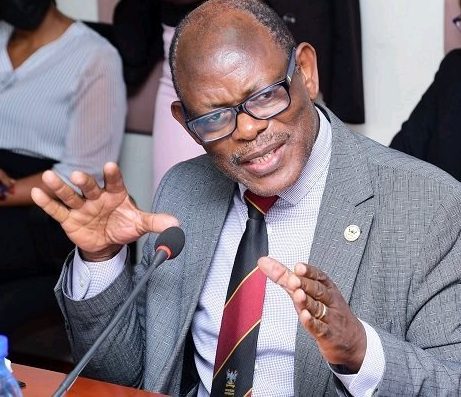


Makerere University Suspends Officials Over Protocol Breaches

Makerere University Suspends Officials Over Protocol Breaches
Share This

Summary:

  • Makerere University has suspended three senior administrators and two staff members over protocol breaches in a dispute about appointing a Deputy Vice Chancellor for Finance and Administration. Staff associations threaten industrial action, citing mismanagement and prolonged vacancies.

Web Design and Hosting Ad

Let Us Build Your Online Success!

We are the experts in creating visually stunning and functional websites. With reliable hosting and exceptional customer support, we bring your vision to life. Join hundreds of happy clients who trust us!

Get Started Now

📞 Call/WhatsApp: +256 207 800 192

At least three senior administrators at Makerere University have been suspended, with others reportedly under investigation. Vice Chancellor Prof. Barnabas Nawangwe accuses them of overstepping their mandate by addressing the University Council directly, bypassing protocol.

Suspended officials include Associate Professors Charles Nuwagaba, Jude Ssempebwa, and Mr. Daniel Kiganda, alongside Harriet Namakoye and Scovia Kyakwera. The controversy stems from disagreements over the appointment of a Deputy Vice Chancellor for Finance and Administration (DVC-FA).

The suspended members deny any wrongdoing, insisting their actions aimed to uphold Senate decisions. Meanwhile, staff associations threaten industrial action, accusing the administration of mismanagement and policy violations, leaving the DVC-FA position vacant for seven years.

Share This
Daily Telegraph

Daily Telegraph


Got a story or an opinion or feedback to share? Email us on: editorial@telegraph.co.ug


Join our community


African Development Bank Approves Modern Headquarters in Côte d’Ivoire

African Development Bank Approves Modern Headquarters in Côte d’Ivoire
Share This

Summary:

  • The African Development Bank has approved plans to build a modern, eco-friendly headquarters in Abidjan. The facility will enhance staff well-being, productivity, and align with green growth goals. President Dr. Akinwumi Adesina called it a historic step, solidifying the Bank’s presence in Côte d’Ivoire with strong government support.

Web Design and Hosting Ad

Let Us Build Your Online Success!

We are the experts in creating visually stunning and functional websites. With reliable hosting and exceptional customer support, we bring your vision to life. Join hundreds of happy clients who trust us!

Get Started Now

📞 Call/WhatsApp: +256 207 800 192

The African Development Bank (AfDB) has secured approval from its Boards of Directors to construct a cutting-edge headquarters in Côte d’Ivoire’s commercial hub, Abidjan.

The unanimous decision underscores the Bank’s commitment to maintaining a robust presence in Abidjan and providing a conducive work environment for its staff.

Dr. Akinwumi Adesina, President of the African Development Bank Group, hailed the move as a milestone for the institution, Côte d’Ivoire, and the continent. “This decision is historic for our staff, the Bank, and Africa. It affirms that the African Development Bank, as the premier financial institution on the continent, deserves a headquarters that reflects its global stature,” he said.

African Development Bank Group President Dr. Akinwumi Adesina has received the title deed of the site hosting the institution’s headquarters building in Abidjan from the Dean of the Bank’s Boards of Directors Adama Koné.

Dr. Adesina highlighted that the vision for this project began when he assumed office in 2015. He emphasized the building’s role in enhancing productivity, operational efficiency, and creating a world-class workplace.

The new facility, set to rise on the site of the current headquarters, will feature eco-friendly architectural innovations, advanced security systems, and enhanced amenities. It aims to support the Bank’s commitment to green growth, energy efficiency, and safety while strengthening connections with stakeholders.

Adama Koné, Dean of the Bank Group’s Boards of Directors and Côte d’Ivoire’s representative, presented the approved land title for the site to Dr. Adesina on behalf of the government.

Dr. Adesina expressed gratitude to President Alassane Ouattara and the Ivorian government for their unwavering support. “Today’s decision reaffirms our permanent home in Côte d’Ivoire. We are excited to embark on this landmark project with the government’s continued backing,” he remarked.

This development marks a new chapter in the AfDB’s legacy in Abidjan, positioning the institution to better serve Africa’s development needs.

Share This
Daily Telegraph

Daily Telegraph


Got a story or an opinion or feedback to share? Email us on: editorial@telegraph.co.ug


Join our community
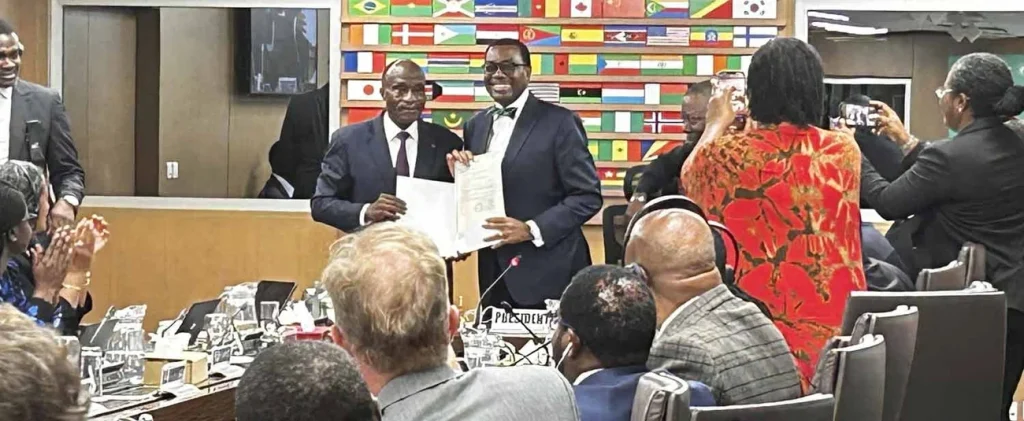


DRC Summons Uganda’s Envoy Over Muhoozi’s Comments on Mercenaries in Eastern Congo

DRC Summons Uganda’s Envoy Over Muhoozi’s Comments on Mercenaries in Eastern Congo
Share This

Summary:

  • The Democratic Republic of Congo (DRC) has summoned Uganda’s Acting Chargé d’Affaires, Mr. Matata Twaha Magara, to clarify statements made by General Muhoozi Kainerugaba about foreign mercenaries in eastern DRC. Kainerugaba’s comments, warning of action against mercenaries, have raised tensions between the two countries, with the DRC government demanding an official explanation.

Web Design and Hosting Ad

Let Us Build Your Online Success!

We are the experts in creating visually stunning and functional websites. With reliable hosting and exceptional customer support, we bring your vision to life. Join hundreds of happy clients who trust us!

Get Started Now

📞 Call/WhatsApp: +256 207 800 192

The Democratic Republic of Congo (DRC) has called in Uganda’s Acting Chargé d’Affaires, Mr. Matata Twaha Magara, to clarify remarks made by General Muhoozi Kainerugaba, Uganda’s Commander-in-Chief of the Defense Forces, regarding the presence of foreign mercenaries in eastern DRC.

The DRC government summoned Magara after a series of controversial statements posted on social media by General Kainerugaba. One post, dated December 16, 2024, warned “white mercenaries” operating in eastern DRC that Uganda would take action against them starting January 2025. The statement was likely referring to foreign operatives from Bulgaria and Romania, who have been assisting the Congolese army in its fight against the M23 rebels.

The DRC government has consistently denied the presence of mercenaries, claiming that the foreign personnel are instead trainers for the DRC military (FARDC), helping them with modern warfare techniques. The Ministry of Foreign Affairs in DRC has now demanded an official clarification from Uganda about Kainerugaba’s remarks and their implications on the relationship between the two nations.

While Kainerugaba has signaled his intent to discuss the issue with DRC officials and promote peace, the tension has escalated at a time when the DRC faces numerous regional challenges, including accusations from Rwanda of DRC supporting militia groups to destabilize Kigali.

This diplomatic exchange highlights the fragile relations between Uganda and the DRC, which are further strained by ongoing security issues in eastern Congo.

Share This
Daily Telegraph

Daily Telegraph


Got a story or an opinion or feedback to share? Email us on: editorial@telegraph.co.ug


Join our community
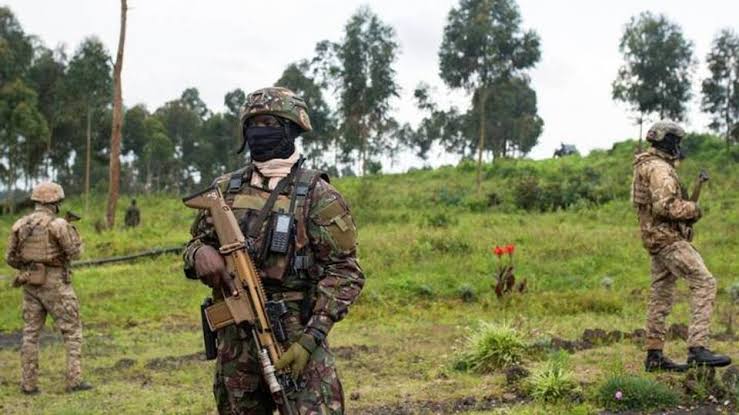


Uganda Postpones Local Council Elections to 2025/2026

Uganda Postpones Local Council Elections to 2025/2026
Share This

Summary:

  • The Ugandan government has postponed LC1 and LC2 elections to align with the 2025/2026 general elections, extending officials’ terms by six months. The move aims to harmonize the electoral cycle but has faced criticism from opposition leaders and civil society, who accuse the government of undermining democracy and delaying much-needed grassroots leadership reforms.

Web Design and Hosting Ad

Let Us Build Your Online Success!

We are the experts in creating visually stunning and functional websites. With reliable hosting and exceptional customer support, we bring your vision to life. Join hundreds of happy clients who trust us!

Get Started Now

📞 Call/WhatsApp: +256 207 800 192

The elections for Local Councils 1 (LC1) and 2 (LC2) have been postponed and will now align with the 2025/2026 general elections. This decision, announced by the Ministry of Local Government through General Notice No. 2827 of 2024, extends the term of office for LC1 and LC2 officials by six months from December 31, 2024.

The notice states: “Pursuant to Regulation 12(d) of the Local Government Councils Regulations, the term of office for administrative unit councils expiring on 30th December 2024 is extended for a period not exceeding 180 days from 31st December 2024.”

In an interview, the Minister of State for National Guidance, Mr. Godfrey Kabyanga, confirmed that the extension is intended to harmonize Uganda’s electoral cycle. “We aim to conduct all elections within the same year for consistency and to minimize disruptions,” he explained.

The plan, which was approved by Cabinet three weeks ago, awaits parliamentary endorsement. According to Mr. Kabyanga, the broader objective is to establish a unified five-year term for councils and leaders, reducing the annual election schedule that has inconvenienced citizens in the past.

The decision followed an October 21 Cabinet meeting where the Minister of Local Government, Mr. Raphael Magyezi, was tasked with preparing a proposal on LC elections and the creation of new administrative units. However, the Cabinet paper remains in development.

Mr. Kabyanga dismissed claims that funding shortages were the primary reason for the postponement, emphasizing that synchronizing the electoral calendar is the main goal.

Criticism and Concerns

The move has sparked criticism from opposition leaders and civil society. Mr. Matthias Mpuuga, Democratic Alliance leader and former Leader of the Opposition, called the extension a form of political manipulation. “This is political fraud. The government is avoiding accountability while local councils face daily challenges like poor service delivery and rampant land grabbing,” he remarked.

Mr. Henry Muguzi, Executive Director of the Alliance for Campaign Finance Monitoring (ACFIM), condemned the postponement as a denial of citizens’ rights. “This raises serious questions about the government’s commitment to legitimate local governance,” he said.

Statistics from the Electoral Commission indicate Uganda has 10,595 parishes (LC2) and 70,626 villages (LC1). Many positions remain vacant due to non-functioning councils and deceased leaders, further compounding governance challenges at the grassroots level.

This is not the first delay for LC1 and LC2 elections. Earlier in 2024, the government postponed the elections citing financial constraints, with an estimated Shs50 billion required to organize the polls.

Share This
Daily Telegraph

Daily Telegraph


Got a story or an opinion or feedback to share? Email us on: editorial@telegraph.co.ug


Join our community
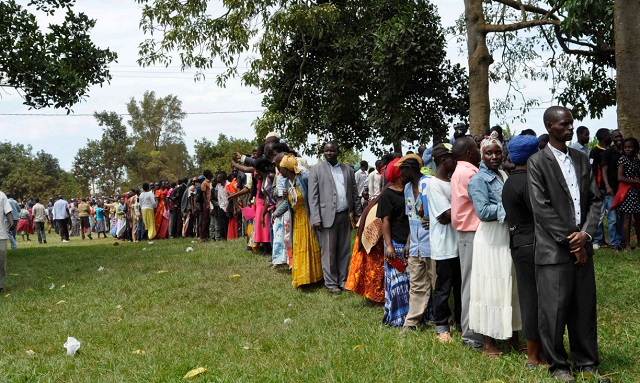


Chief Justice Owiny-Dollo Urges Magistrates to Uphold Integrity and Accountability

Chief Justice Owiny-Dollo Urges Magistrates to Uphold Integrity and Accountability
Share This

Summary:

  • Chief Justice Alfonse Owiny-Dollo urged Magistrates at the Annual Registrars and Magistrates Conference in Kampala to uphold integrity and accountability in the justice system. He highlighted the Judiciary’s progress, including an increase in Magistrates and budget, but cautioned against corruption and performance decline.

Web Design and Hosting Ad

Let Us Build Your Online Success!

We are the experts in creating visually stunning and functional websites. With reliable hosting and exceptional customer support, we bring your vision to life. Join hundreds of happy clients who trust us!

Get Started Now

📞 Call/WhatsApp: +256 207 800 192

Chief Justice Alfonse Owiny-Dollo has urged Magistrates across Uganda to uphold the highest standards of integrity and accountability in the administration of justice. Speaking at the Annual Registrars and Magistrates Conference in Kampala, Owiny-Dollo emphasized that the credibility of the Judiciary depends on their actions and warned against any form of corruption or malpractice.

He reminded Magistrates of their privileged role in the justice system and stressed that their conduct directly impacts the public’s perception of the Judiciary. Owiny-Dollo reflected on the growth of the Judiciary, noting an increase in the number of Magistrates from 100 in 2020 to over 586 today, alongside a budget rise from 199 billion to over 300 billion shillings, enabling the recruitment of more judicial officers.

Despite these advancements, he cautioned that challenges like case backlogs and delays still persist. Owiny-Dollo also expressed concern over a decline in performance despite the increased number of Magistrates, suggesting there may be underlying issues. He called on Magistrates to be more careful in granting bail and to ensure they provide clear, reasoned decisions, especially when the prosecution objects.

Additionally, Owiny-Dollo highlighted the forthcoming Magistrates Grade One Bill 2024, which aims to enhance the monetary jurisdiction of Magistrates, enabling them to handle cases involving up to 100 million shillings. This move is part of efforts to reduce case backlogs.

Owiny-Dollo also used a phone analogy to explain the importance of integrity and competence in the Judiciary, stressing that the effectiveness of the justice system is determined by the actions of its officers, not by its physical infrastructure. He further urged Magistrates not to be intimidated by external pressures and to act decisively in delivering justice.

While addressing the request for a separate conference for Registrars, Owiny-Dollo acknowledged the unique challenges they face but maintained that such a gathering might not be necessary. He expressed openness to further discussions on the matter.

The conference, attended by Magistrates and Registrars nationwide, provided a platform for professionals to share experiences and address issues affecting the Judiciary, with a focus on improving service delivery and reinforcing professionalism within the system.

Share This
Daily Telegraph

Daily Telegraph


Got a story or an opinion or feedback to share? Email us on: editorial@telegraph.co.ug


Join our community
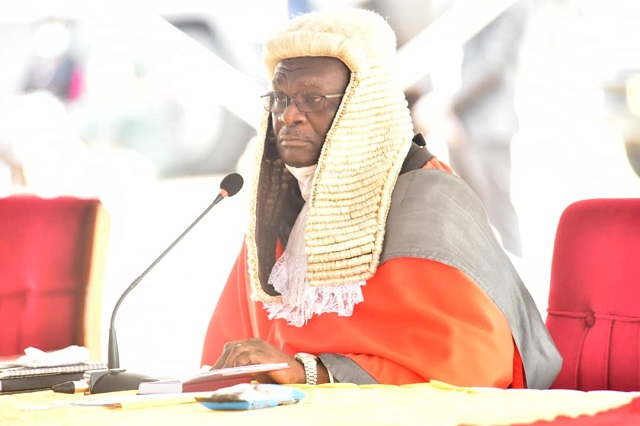


Ghana: Supreme Court Dismisses Challenges to Anti-LGBTQ+ Bill

Ghana: Supreme Court Dismisses Challenges to Anti-LGBTQ+ Bill
Share This

Summary:

  • Ghana’s Supreme Court has dismissed two legal challenges against a controversial anti-LGBT law, allowing President Nana Akufo-Addo to sign it into law. The bill, which increases penalties for same-sex activity and restricts LGBT rights, has sparked concerns over its potential economic impact and human rights implications. The law now awaits presidential assent.

Web Design and Hosting Ad

Let Us Build Your Online Success!

We are the experts in creating visually stunning and functional websites. With reliable hosting and exceptional customer support, we bring your vision to life. Join hundreds of happy clients who trust us!

Get Started Now

📞 Call/WhatsApp: +256 207 800 192

Ghana’s Supreme Court on Wednesday dismissed two legal challenges against the country’s controversial anti-LGBT law, clearing the way for President Nana Akufo-Addo to sign the bill into law. The legislation, passed unanimously by Parliament in February, intensifies penalties for same-sex activity and promotes further restrictions on LGBT rights.

The challenges were filed by lawyers Amanda Odoi and Richard Sky, who argued that the bill was unconstitutional and sought to prevent its enactment. However, Justice Avril Lovelace-Johnson, delivering the ruling on behalf of a seven-judge panel, stated that the challenges were “premature” as the bill had not yet been signed by the president. Both cases were dismissed unanimously.

The bill, sponsored by a coalition of religious and traditional leaders, seeks to increase penalties for gay sex, already punishable by up to three years in prison, and introduces prison terms of up to five years for anyone found to be promoting or supporting LGBT activities.

Despite concerns from Ghana’s finance ministry about the potential economic impact, including jeopardizing billions in international aid and loans, supporters of the bill remain resolute in their push for its passage.

Human rights advocates, including Abena Takyiwaa Manuh from the Centre for Democratic Governance, have expressed alarm at the ruling, warning that the law could endanger the lives and health of LGBT individuals and human rights defenders in the country. The bill now awaits President Akufo-Addo’s signature, marking a pivotal moment in Ghana’s debate over LGBT rights.

Share This
Daily Telegraph

Daily Telegraph


Got a story or an opinion or feedback to share? Email us on: editorial@telegraph.co.ug


Join our community


UCC Rolls Out New Rules for SIM Card Registration, Replacement

UCC Rolls Out New Rules for SIM Card Registration,  Replacement
Share This

Summary:

  • The Uganda Communications Commission (UCC) has introduced new rules for SIM card replacements, registrations, and upgrades, requiring them to be done only at authorized service centers. Customers without readable biometrics must obtain a validation letter from the National Identification and Registration Authority or, for refugees, the Office of the Prime Minister.

Web Design and Hosting Ad

Let Us Build Your Online Success!

We are the experts in creating visually stunning and functional websites. With reliable hosting and exceptional customer support, we bring your vision to life. Join hundreds of happy clients who trust us!

Get Started Now

📞 Call/WhatsApp: +256 207 800 192

The Uganda Communications Commission (UCC) has unveiled new guidelines to address issues faced by telecom users and operators concerning SIM card replacements, registration, and upgrades. These steps aim to provide a secure and streamlined process, especially for individuals without access to their national identity cards or whose biometric data is unavailable.

Under the new measures, services such as SIM card replacements, swaps, edits, or upgrades will only be processed at official telecom customer service centers or authorized agent locations. Additionally, SIM cards will only be reissued to the registered owners.

For customers whose biometric data is unreadable or missing, the process differs. Ugandan citizens in this situation are required to obtain a validation letter from the National Identification and Registration Authority (NIRA). Asylum seekers and refugees must secure a similar document from the Office of the Prime Minister. Those with valid identification, such as national IDs, asylum seeker cards, or refugee cards, must present the original documents to the telecom operator for processing.

Share This
Daily Telegraph

Daily Telegraph


Got a story or an opinion or feedback to share? Email us on: editorial@telegraph.co.ug


Join our community